The crisis of democratic theory from a sociological perspective
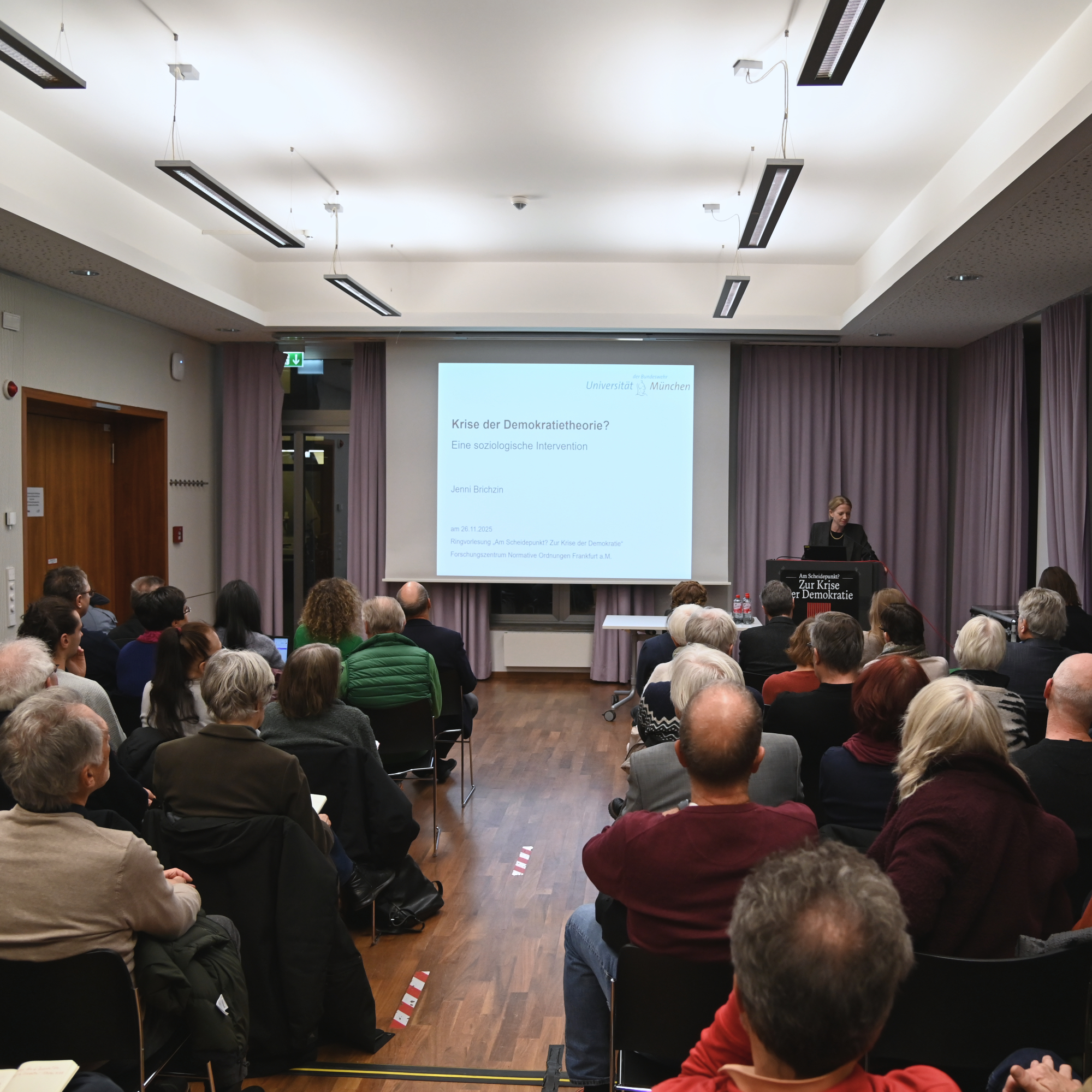
On November 26, 2025, Jenny Brichzin opened the lecture series “At the Crossroads? On the future of democratic theory”. In her lecture “Crisis of democratic theory? A sociological intervention”, the sociologist began by diagnosing the lack of concepts of coexistence in works on democratic theory. Democracy, however, shapes social order and therefore needs a foundation in social theory. If the crisis diagnoses of democracy are analyzed from this point of view, both normative and institutional-practical perspectives on the crisis(es) become clear.
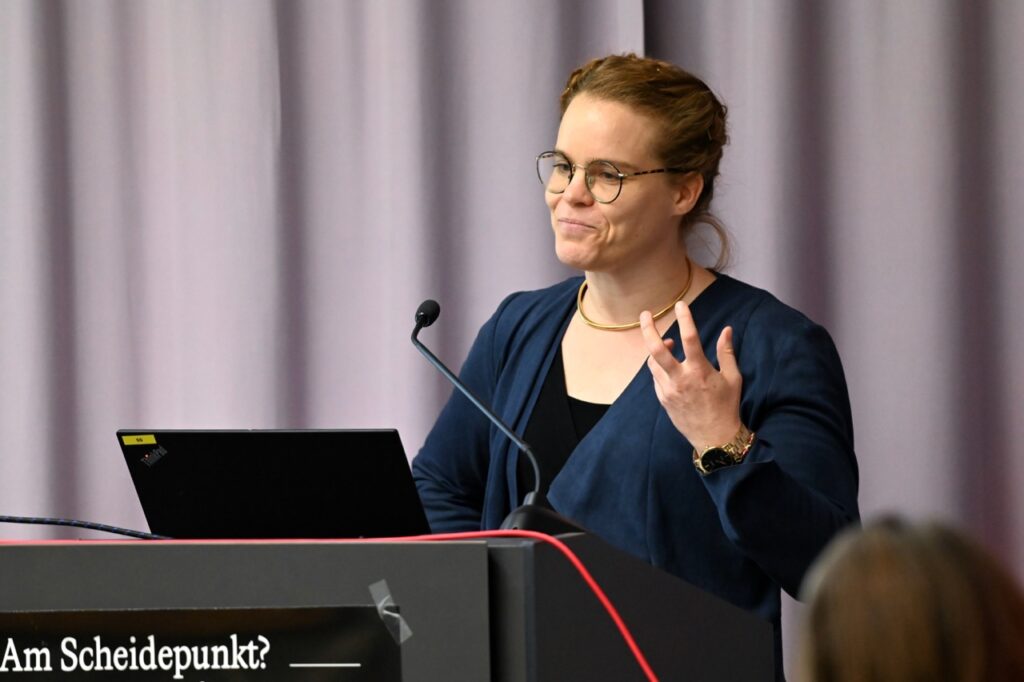
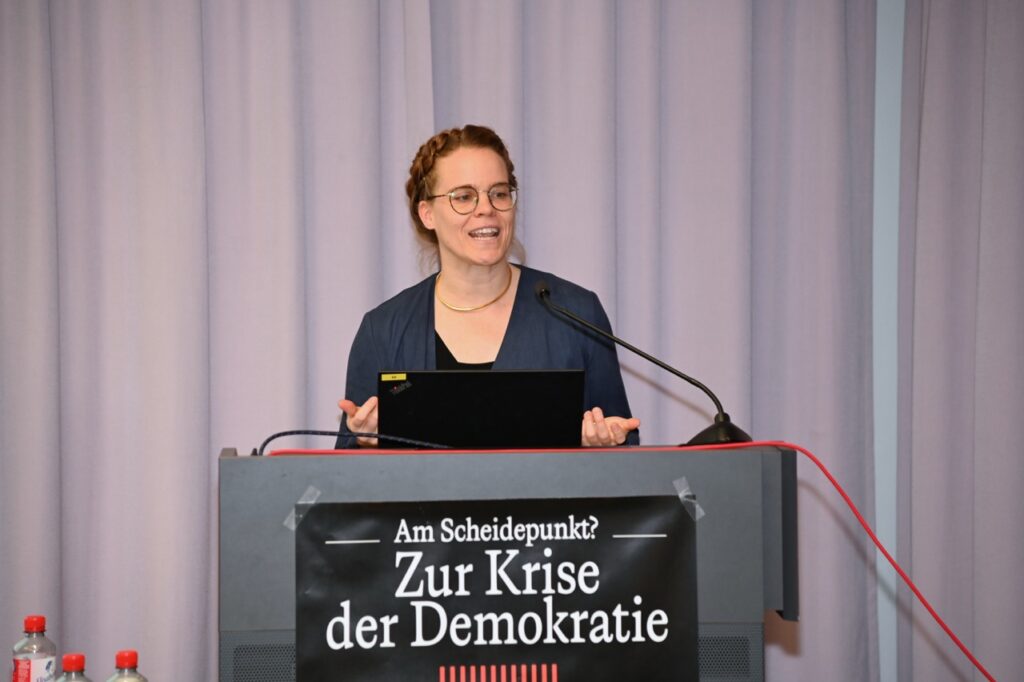
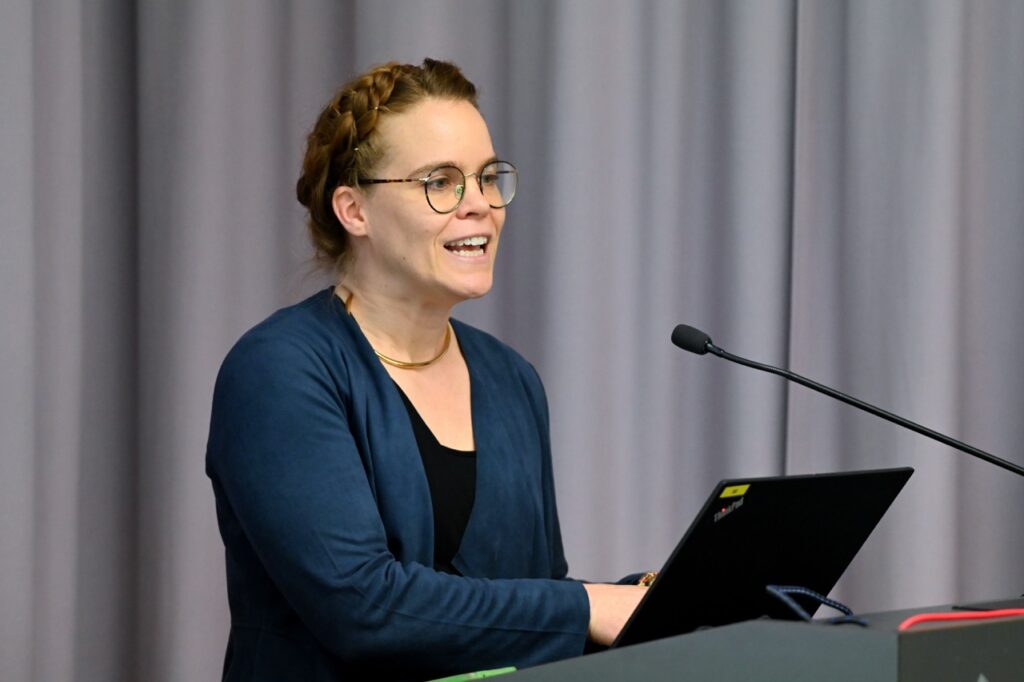
Brichzin took Attic democracy as an example, focusing in particular on its preconditions in social organization – the development of a democratic form had taken place here on the basis of a variety of preconditions – as well as its institutional structure, which was geared towards openness.
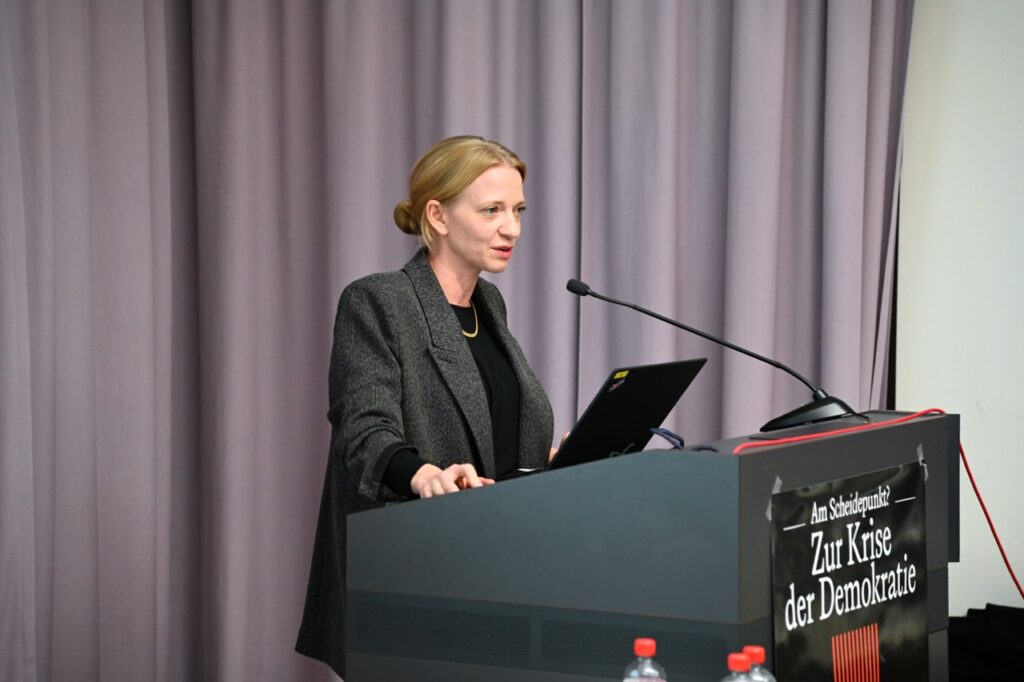
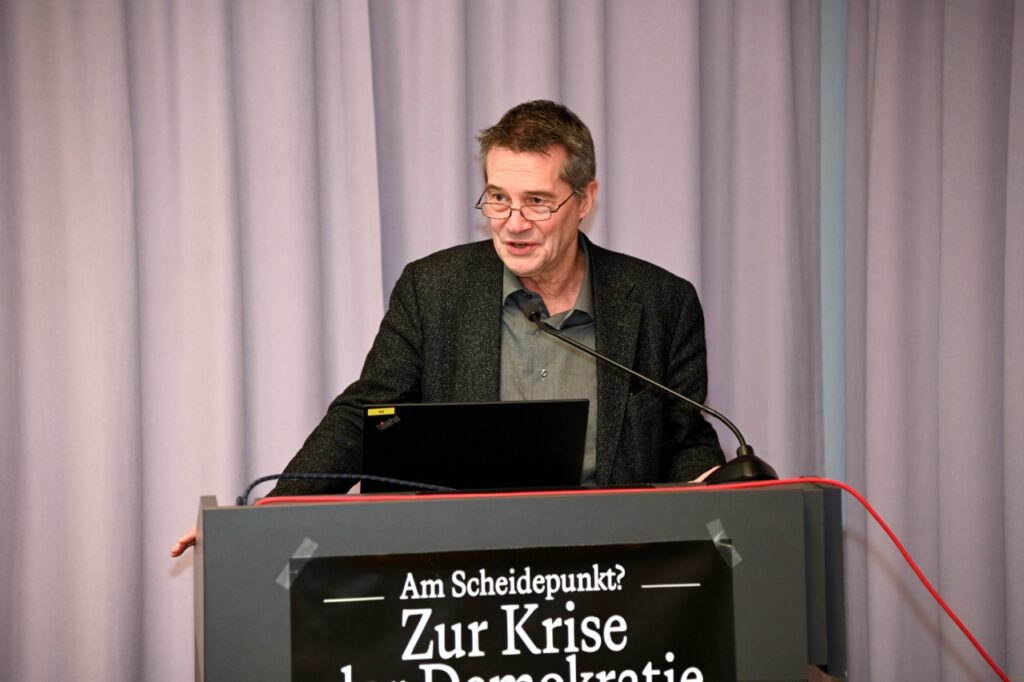
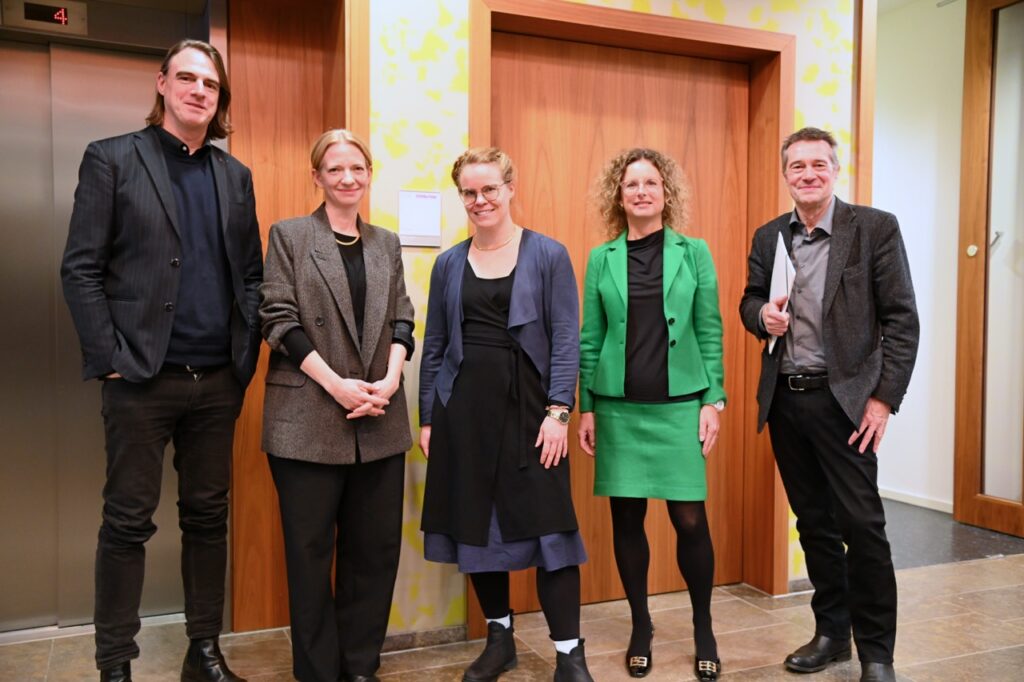
For the sociologist, openness becomes a central category for a theory of democracy that incorporates the social. The focus here is on an institutional openness in which political institutions should not be regarded as set per se. None of the current democratic institutions in themselves ensure the continued existence of democracy. The openness to rebuild such institutions is directed against the power of social structures and forms of social closure. Although such a process is extremely demanding, it is necessary, which is why the sociologist ends her analysis with a plea for creativity in relation to institutional issues.
Jenny Brichzin is a sociologist. She is currently Professor of General Sociology and Sociological Theory at the University of the Federal Armed Forces in Munich. She previously worked as a research assistant in Chemnitz and Leipzig. Her doctorate “Political work in parliaments. An ethnographic study of the political field” was published by Nomos in 2016. In 2022, together with the sociologists Henning Laux and Ulf Bohmann, she published the book “Risikodemokratie. Chemnitz between right-wing extremist hotspot and European cultural capital”.