
When Design Gets Political
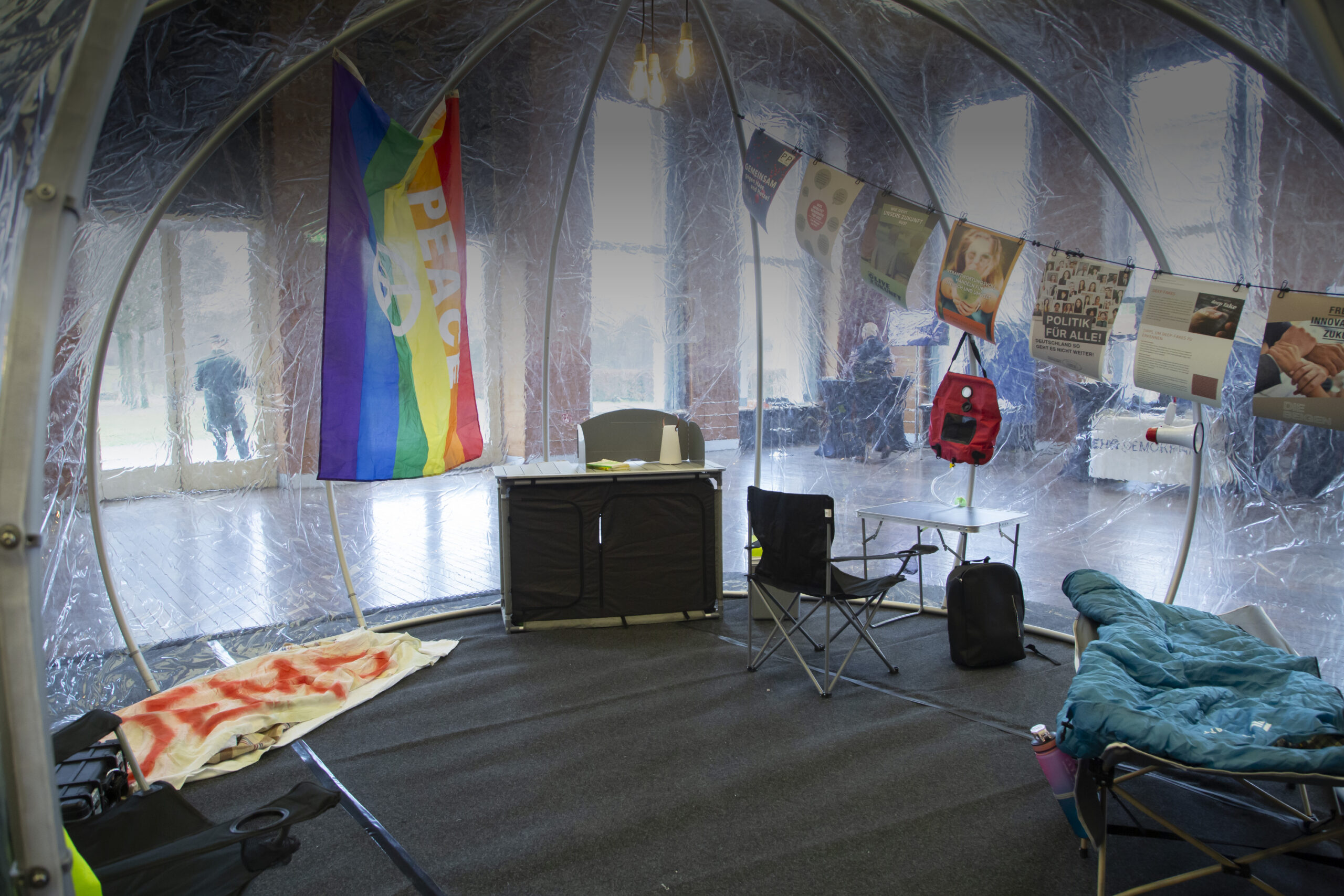
Der dritte Tag der Design Policy Days an der Goethe-Universität Frankfurt richtet sich an alle, die Design als politische Kraft denken. Gemeinsam mit dem Deutschen Designtag und der World Design Capital 2026 widmet er sich in Roundtables, Projektpräsentationen, Workshops und Ausstellungen der institutionellen Politik: Wie lässt sich Design methodisch, strukturell und normativ in politische Entscheidungsprozesse integrieren – und wie kann Politik selbst als Gestaltungsfeld verstanden werden?
more information ›Dr. h.c. Gerhard Wiese – Wirken als Ankläger im Auschwitz Prozess
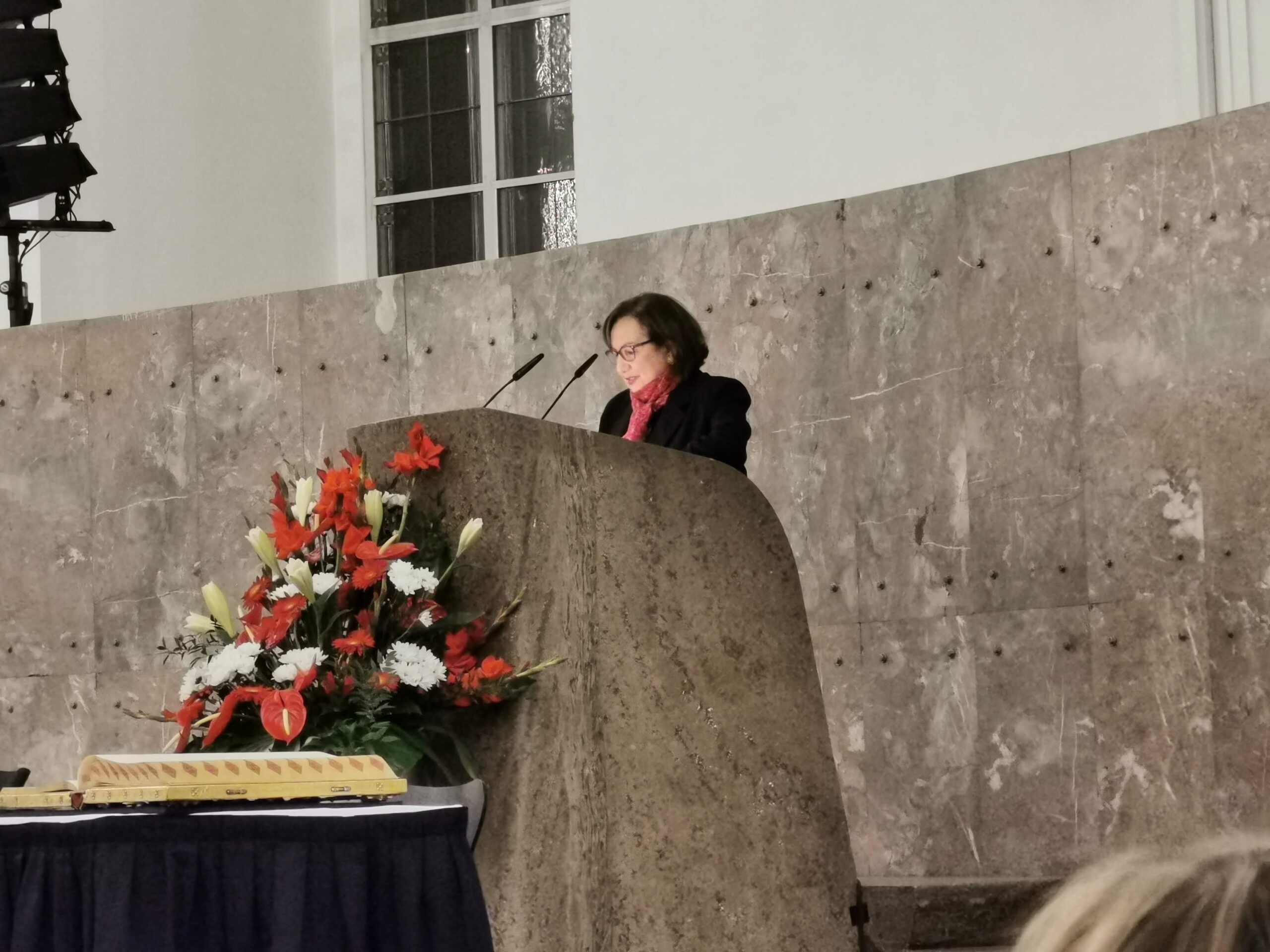
Der Frankfurter Auschwitz-Prozess von 1963 bis 1965 gilt als ein zentraler Wendepunkt in der juristischen und öffentlichen Auseinandersetzung mit den nationalsozialistischen Verbrechen in der Bundesrepublik Deutschland. Dr. h.c. Gerhard Wiese, der als junger Staatsanwalt zum Anklägerteam des Prozesses gehörte, berichtet aus seiner Perspektive auf die damaligen Ermittlungen und die Hauptverhandlung. Im Gespräch mit der Historikerin Dr. Katharina Rauschenberger (Fritz Bauer Institut) wird die Bedeutung des Prozesses für die strafrechtliche Aufarbeitung der NS-Verbrechen in den Blick genommen.
more information ›Dimensionen wehrhafter Demokratie in unsicheren Zeiten
Abich, Leon; Adams, Cosima; Biebricher, Thomas; Britz, Gabriele; Daase, Christopher; Deitelhoff, Nicole; Dönges, Jan; Krause, Leon; Nitzschner, Patrick; Siebert, Hannes; Siefert, Julian; Stephanblome, Isabelle (2026): “Dimensionen wehrhafter Demokratie in unsicheren Zeiten”. DemoReg Working Paper 3.1.
more information ›Postliberal vs. liberal Perspectives on Peace and Security and Crises
Vortrag von Prof. Dr. Christopher Daase (Goethe-Universität/PRIF/Normative Orders) im Rahmen der Ringvorlesung “Peace and Security in Post-Liberal Times”.
more information ›Bedingungen unserer Existenz. Zur Aktualität Michel Foucaults
Saar, Martin; Vogelmann, Frieder (2026): Bedingungen unserer Existenz. Zur Aktualität Michel Foucaults. Berlin: Suhrkamp.
more information ›The Examined Illness. A Philosopher’s Confrontation with Deadly Disease
Moellendorf, Darrel (2026): The Examined Illness: A Philosopher Confronts Deadly Disease, Bristol: intellect.
more information ›International symposium honours the lifework of Jürgen Habermas
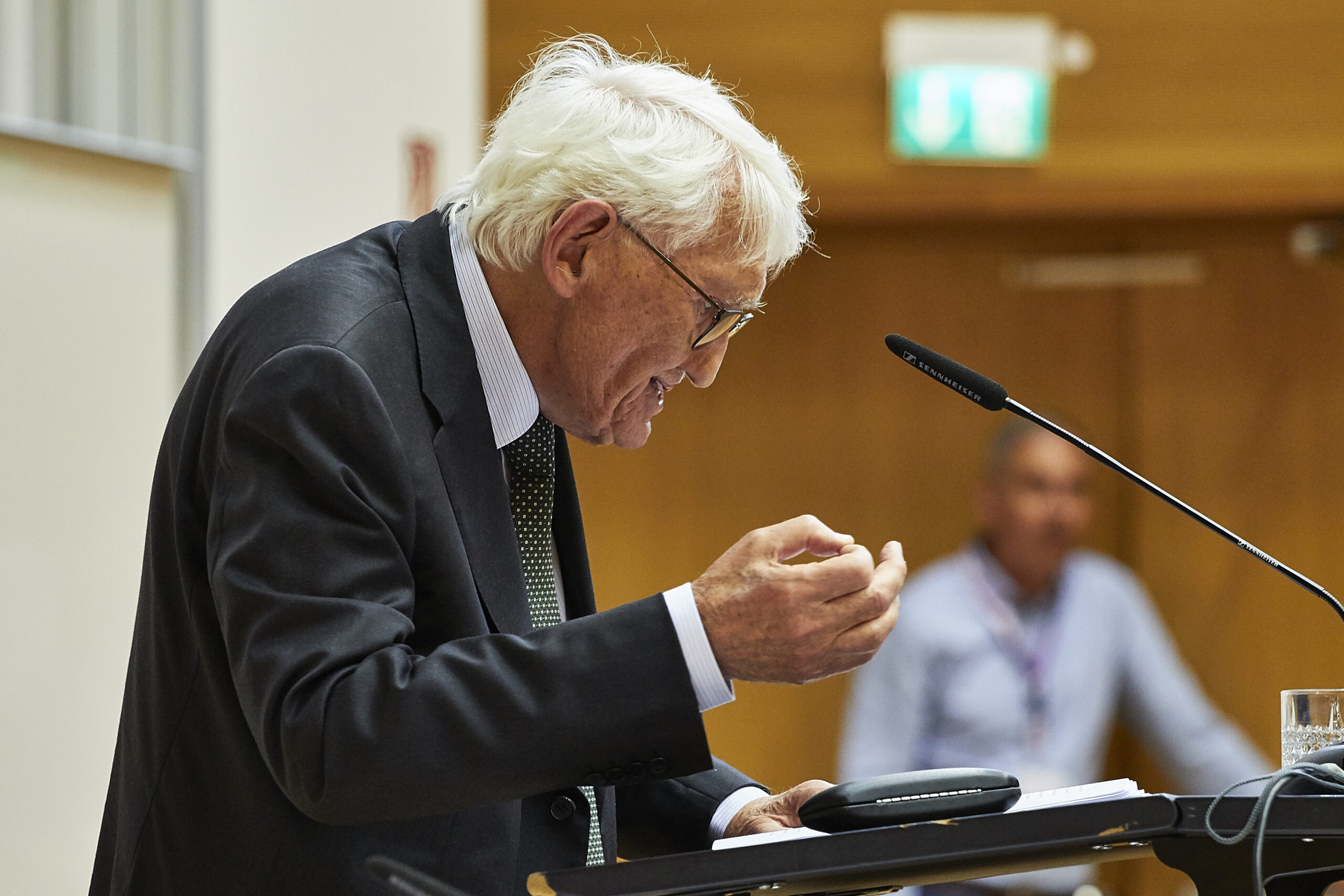
On Friday 19 June 2026, the Research Centre Normative Orders, in collaboration with Suhrkamp Verlag, paid tribute to the late Jürgen Habermas with an international symposium at Goethe University Frankfurt.
more information ›New Video Podcast Series “Our Planet, Our Health”
With “Our Planet, Our Health”, a new video podcast series about questions of global health justice has launched. The series is hosted by Dr Romina Rekers as part of the Global Health Justice Postdoctoral Programme (GHJ), founded by the Höpp Foundation.
more information ›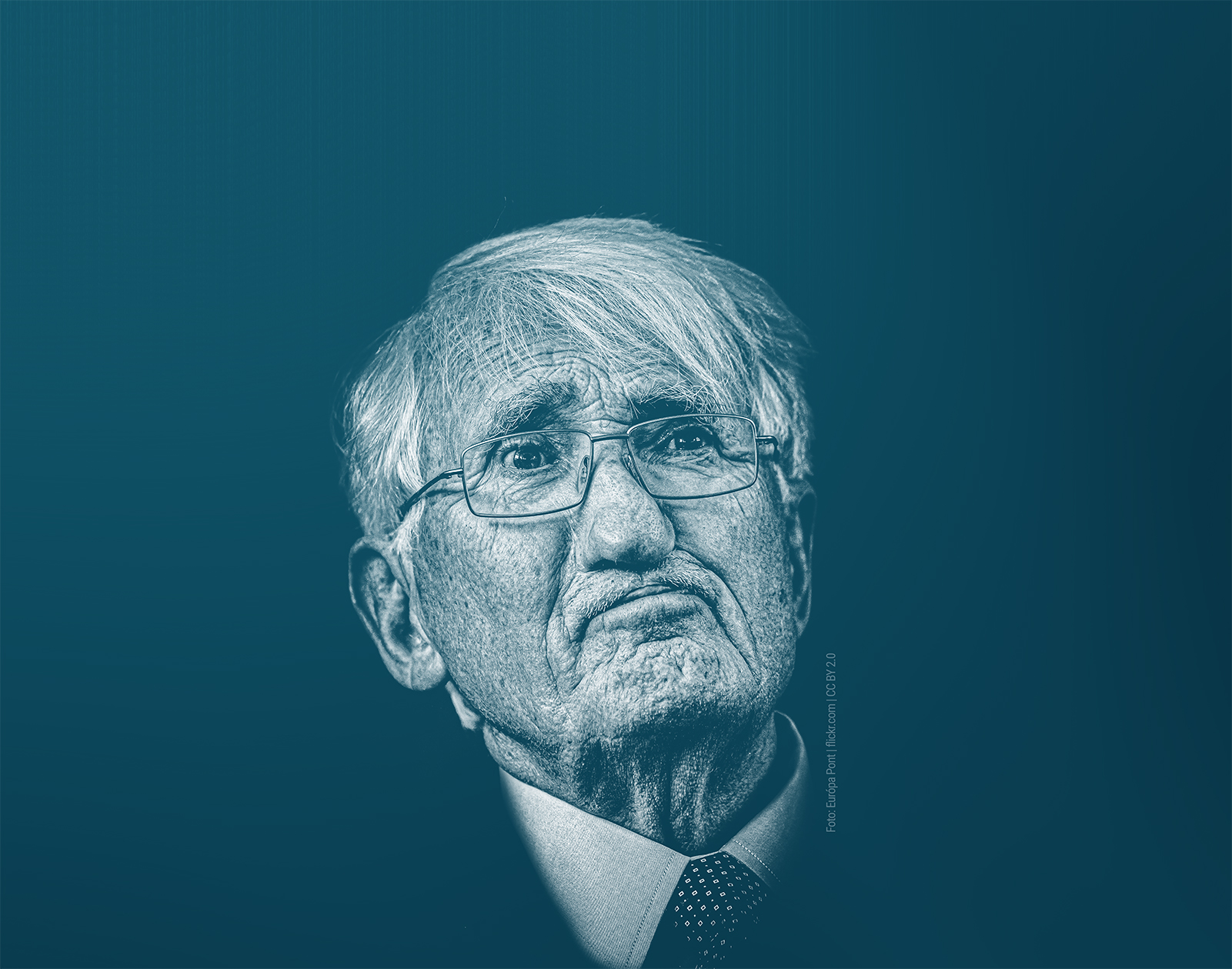
International symposium honours the lifework of Jürgen Habermas
With the passing of Jürgen Habermas, we have lost an incomparable scholar and committed intellectual who shaped the humanities and social sciences worldwide over many decades and who, as he himself said in his speech on his 90th birthday at Goethe University, experienced three happy phases of his academic life at this university. On Friday 19 June 2026, the Research Centre Normative Orders, in collaboration with Suhrkamp Verlag, honoured his work with an international symposium at Goethe University Frankfurt.
More about the event
New Research Program “Zeitenwenden. Normative Ordnungen im Umbruch?”
The Research Centre Normative Orders receives a generous funding by the Commerzbank Foundation Fund within the framework of the Stifterverband for German Science. A total of €750,000 will be made available over a period of five years. The project is set to launch this fall.
Read morePress
Demokratie auf Augenhöhe
Rainer Forst argumentiert, dass eine Stimmabgabe für die AfD zwar legal, aber nicht legitim sei. Warum er den Begriff „Wählerbeschimpfung” für einen gefährlichen Irrtum hält, erklärt er im Kommentar. (Frankfurter Rundschau)
zum Beitrag ›Warum sich der Landtag wieder mit Corona-Lockdowns beschäftigt
Nach jahrelangem Streit hat der Corona-Untersuchungsausschuss im Hessischen Landtag erstmals öffentlich Sachverständige befragt, u.a. Prof. Dr. Andrea Kießling (hessenschau)
zum Beitrag ›Firewall compromised: has Friedrich Merz blown ‘democracy’s last shot’?
Many fear chancellor is wrong man for the job at a time when Germany’s defences against far right are crumbling. Article with expert opinion from Thomas Biebricher. (The Guardian)
zum Beitrag ›»Der Zivildienst könnte Zusammenhalt und Solidarität stärken«
Der Philosoph Rainer Forst hält es für vertretbar, junge Menschen zum Dienst an der Gemeinschaft zu verpflichten – und erklärt, wie das gelingen kann. (DIE ZEIT)
zum Beitrag ›
Research
The Research Centre Normative Orders is home to various research projects. Up-to-date information on all current and past projects can be found under Research.
See all research projects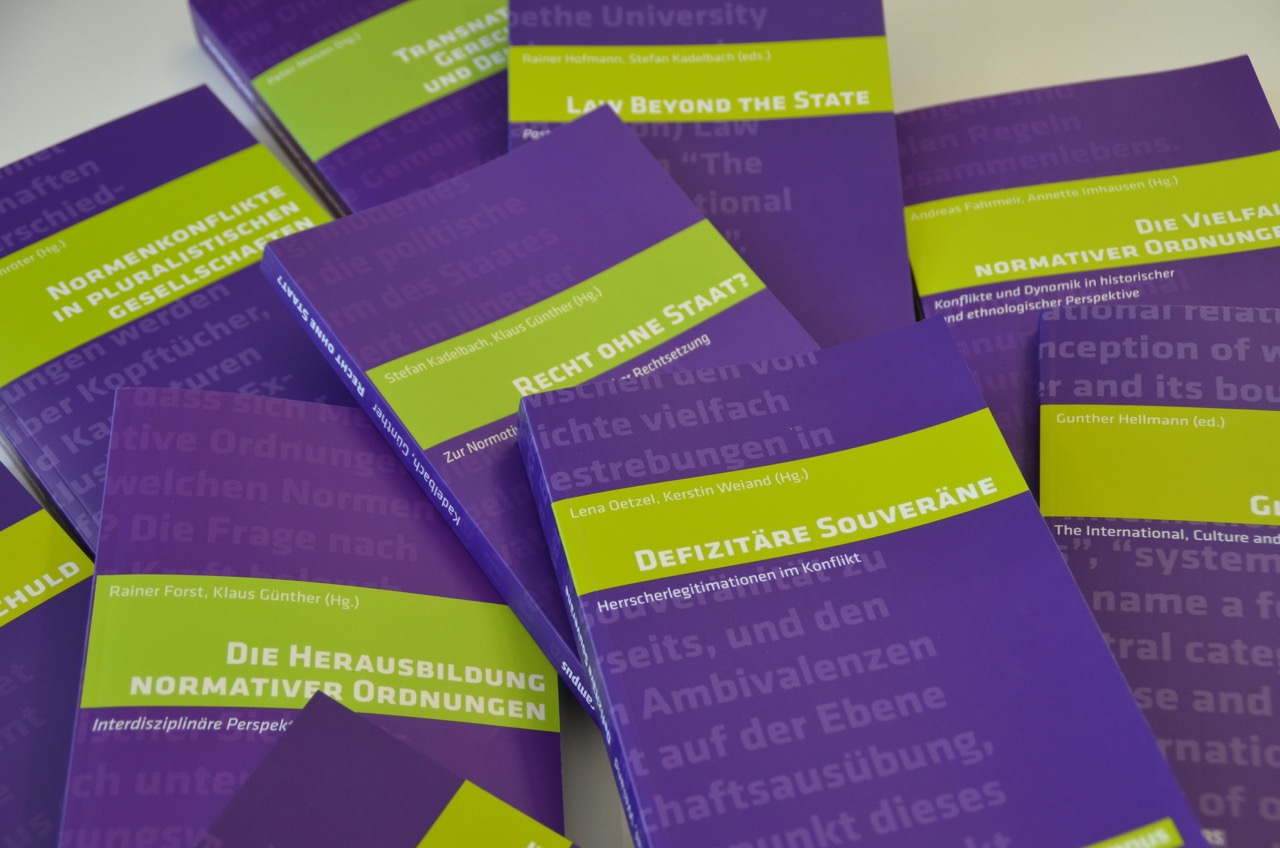
Publications
The Research Centre maintains a publication database with current publications by participating researchers. In addition, the Centre publishes a series of its own publications with Campus-Verlag. The volumes document the interdisciplinary collaboration at the Centre and are each dedicated to the examination of important topics from the Normative Orders research program.
See all publications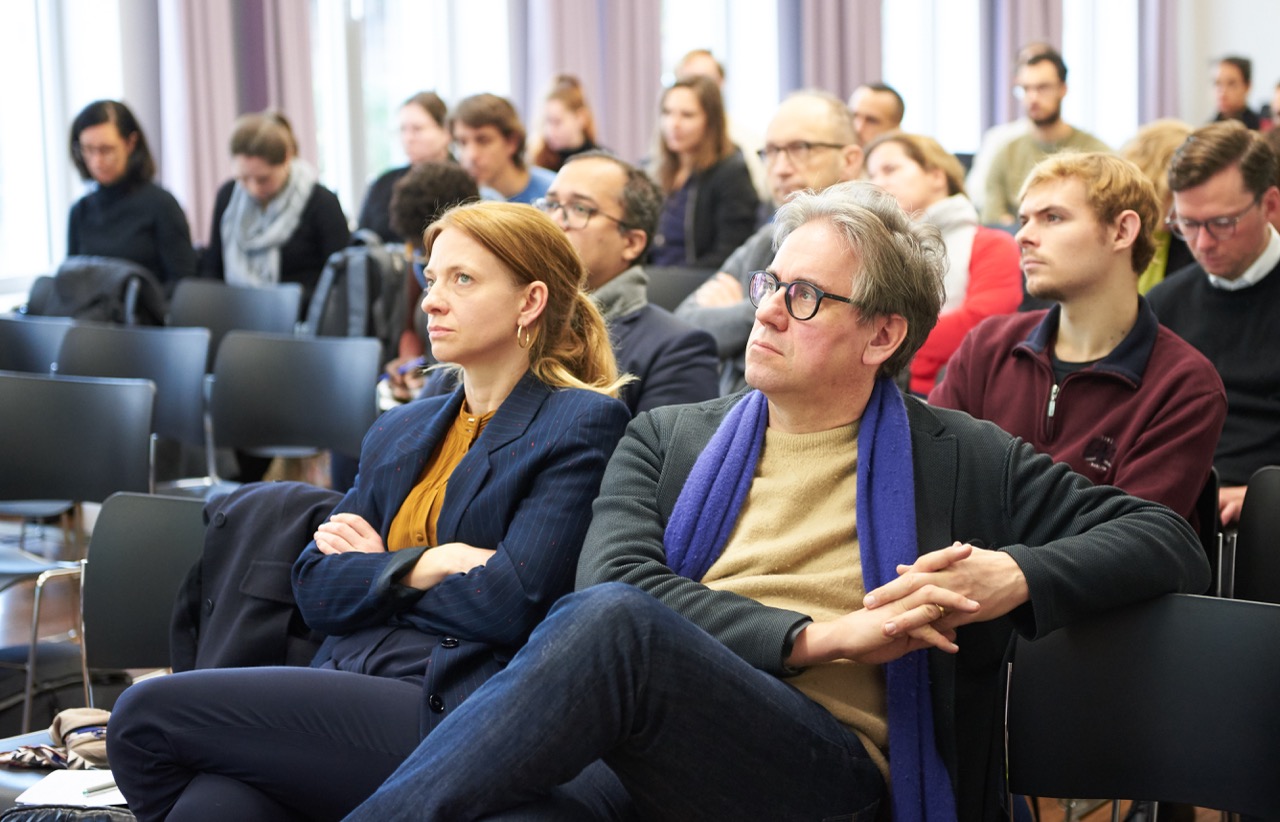
Events
The Research Centre Normative Orders organizes events, workshops, conferences and practical forums at Goethe University, in the city of Frankfurt and beyond. In the event calendar you will find all current and past events in the context of the work of the Research Center as well as information on how to participate.
See all events
Media library
The Research Centre publishes video recordings of many lectures, discussions and other events, such as the well-known Römerberg Talks. You can find and watch these and other videos in our media library.
Media libraryAbout Normative Orders
How do political, legal, religious or economic orders establish and change, how do power structures crystallize, how are power and life chances distributed – also on a transnational level? The researchers involved in the Research Centre Normative Orders reflect on these questions. The focus is on current social conflicts, in particular the just ordering of society in times of globalization, and their long history. The normative ideas that play a role in such processes and conflicts are examined. The questions are complex. This is why the Research Centre Normative Orders at Goethe University Frankfurt works on an interdisciplinary basis: from philosophy, history, political science and law to ethnology, economics, sociology and theology.