Satanist politics and the decline of reason in liberal democracies
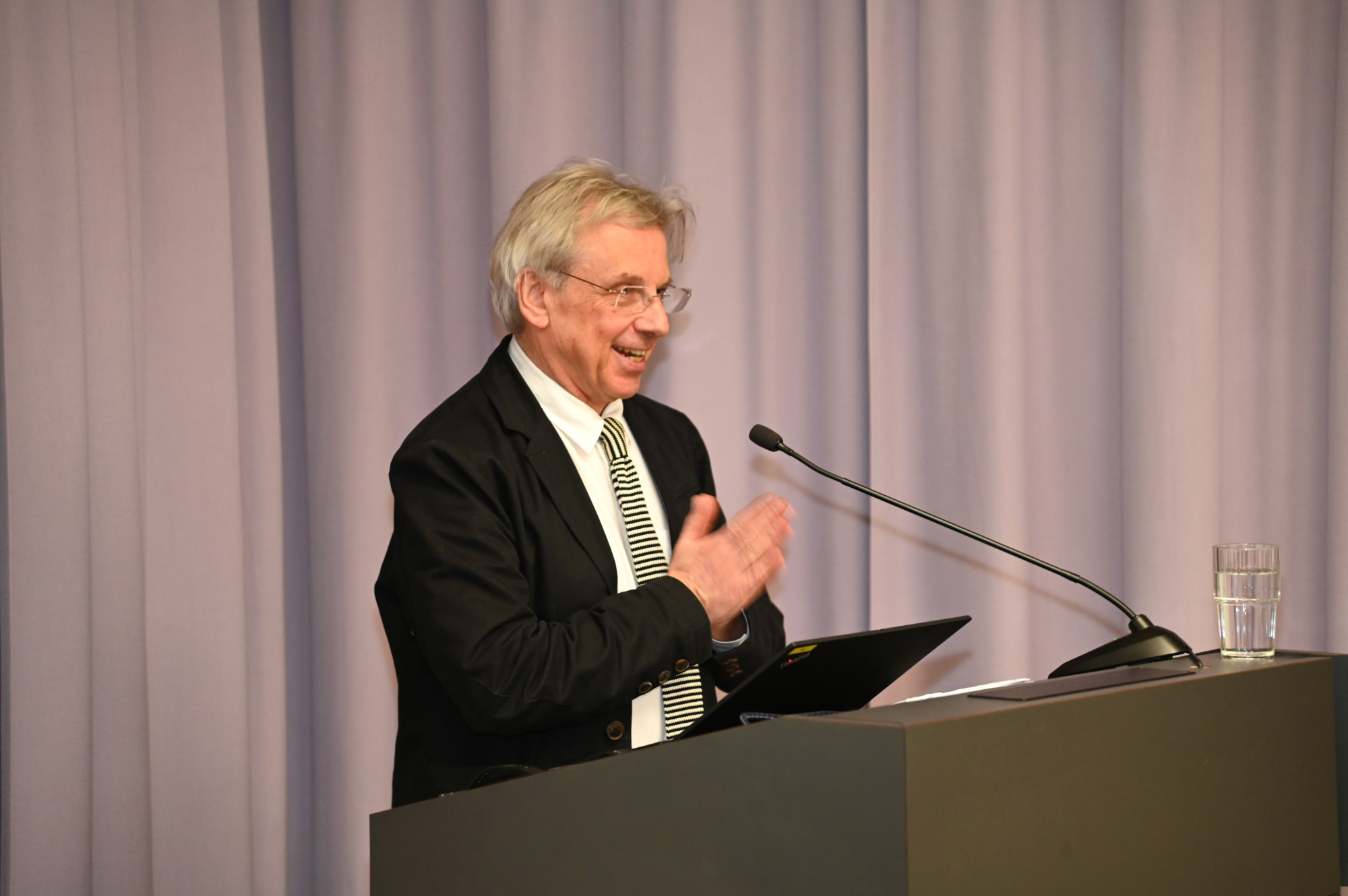
For the last time in the winter semester 2025/26, the Research Center hosted the lecture series “Am Scheidepunkt. On the crisis of democracy”. At the end, philosopher Michael Rosen from Harvard University presented his concept of “satanic politics” as a variant of the political interpretation of the world.
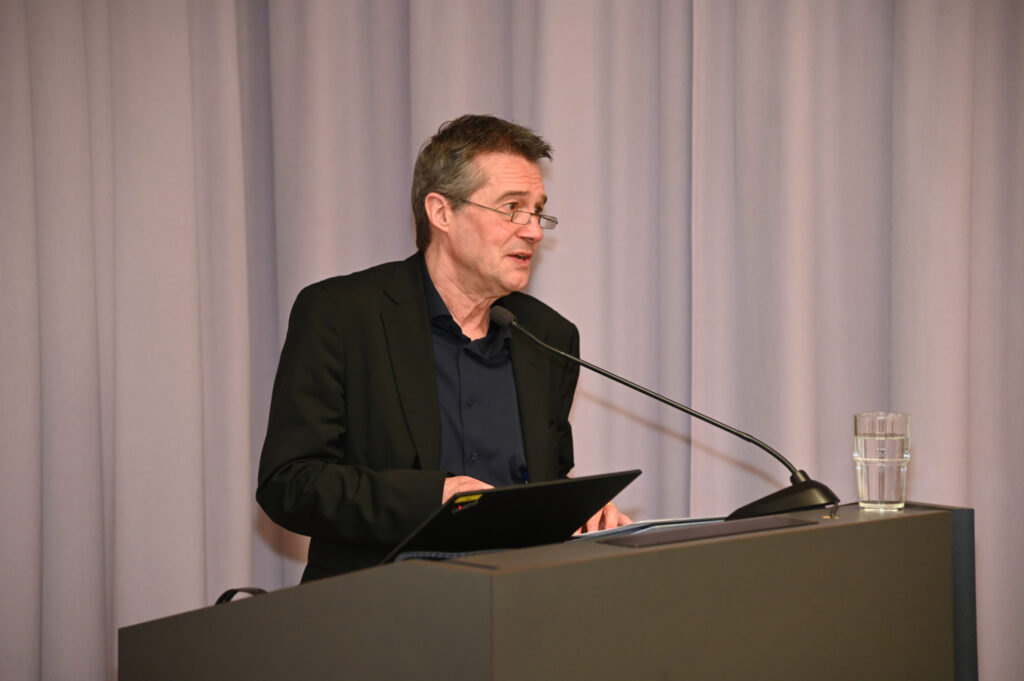
After an introduction by Rainer Forst, Michael Rosen began his lecture with a discussion of early liberalism’s belief in progress and the tension between individual freedom and moral virtue. A religiously influenced, providentialist world view, according to which a divine order contributes to the moral development of people, helped to bridge the tensions here.
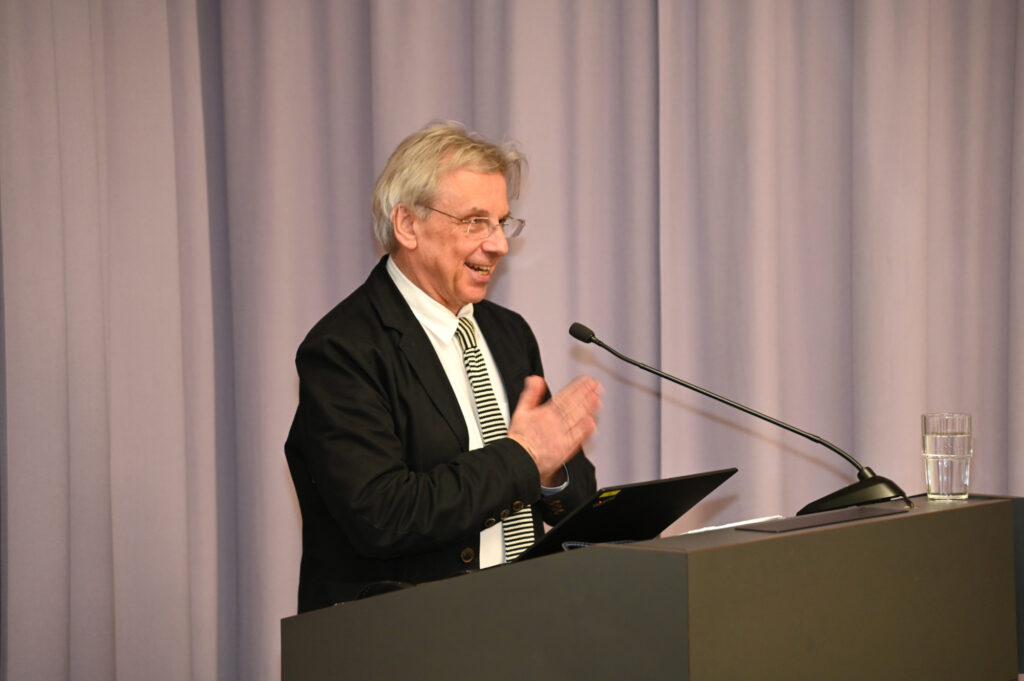
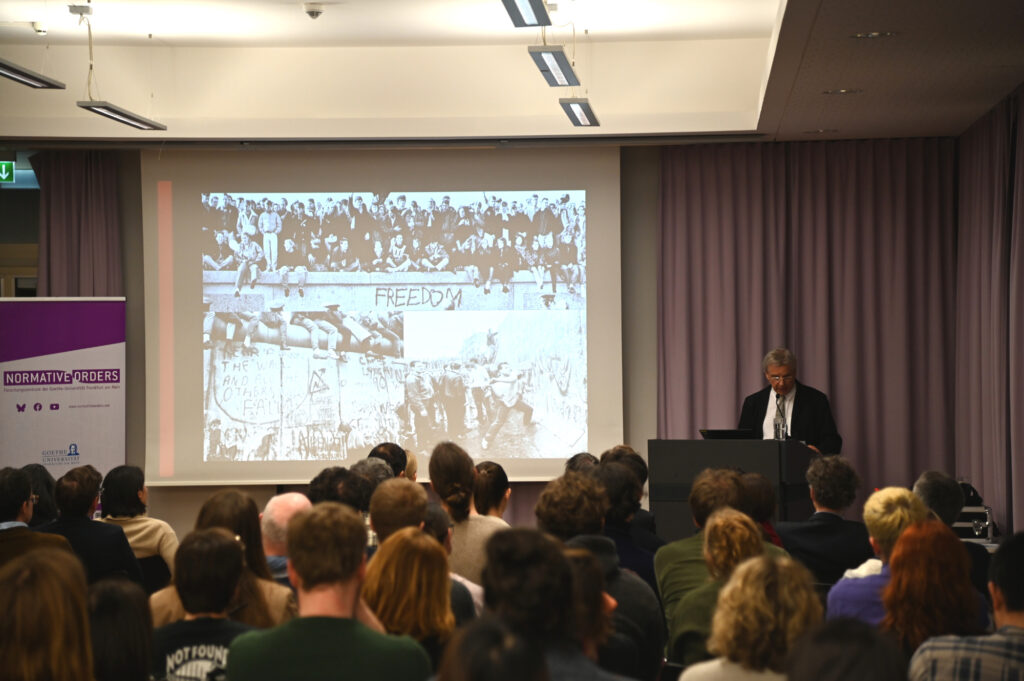
In contrast, in the context of the current crises of liberal democracies, it is helpful to start from a different, satanic style of politics in understanding the interpretation of the world. This style understands politics as a struggle against hidden, deceptive forces and mistrusts the idea of rational procedures and a moderate balancing of interests to overcome political conflicts. Using the example of the paranoid style of politics, which he described on the basis of the USA and with recourse to Richard Hofstadter’s “paranoid style”, Rosen made it clear how politics is understood as a fight against hidden, manipulative enemies. Satanist politics therefore involves deception, structural evil and enmity. Rosen gains this perspective of satanic politics from a variety of theological and ideological motifs and authors, including the Bible and Immanuel Kant.
In a second part of the lecture, the philosopher turned his attention to Marxism, especially in its Hegelian form. The capitalist system, or specifically the understanding of capital, could be seen as having satanic characteristics, similar to Hegel’s Weltgeist. It is ascribed the power to act and the potential for deception. An anonymous, structural power structure determines social reality and conceals its mechanisms of action.
Important basic assumptions of today’s politics, both liberal democracies and various political styles, are based on normative values that are historically contingent and largely shaped by religious motifs, explained Michael Rosen at the end of his lecture. Understanding the fragility of democratic orders therefore requires reflection on such styles and the continuities of religious ideas. This is the only way to analyze the challenges for democracy and reason.