International symposium honours the lifework of Jürgen Habermas
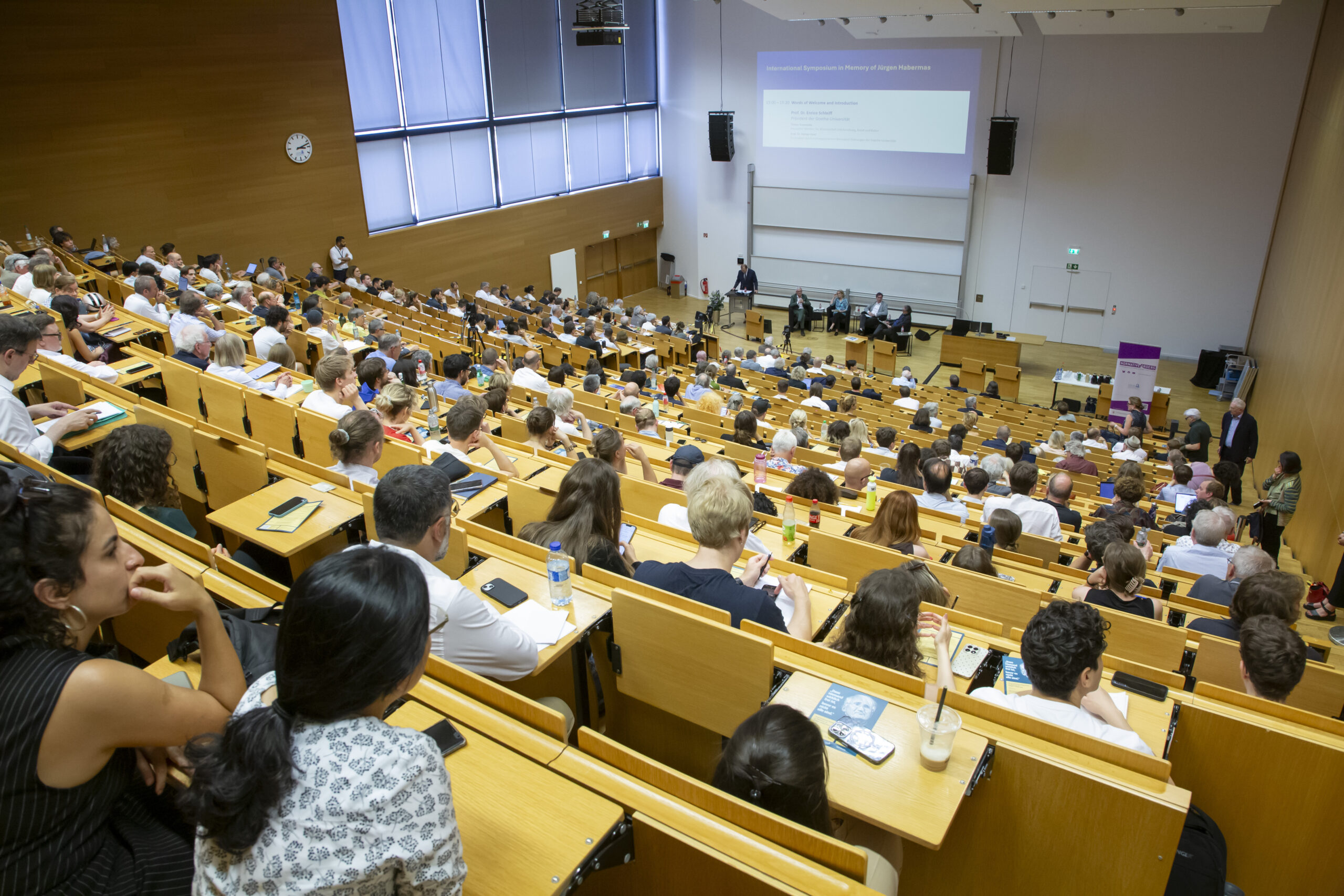
The death of Jürgen Habermas in the spring of 2026 marked the passing of a scholar and committed intellectual who had shaped the humanities and social sciences worldwide over many decades. On Friday 19 June 2026, the Normative Orders Research Centre, in collaboration with Suhrkamp Verlag, paid tribute to his work with an international symposium at Goethe University Frankfurt.
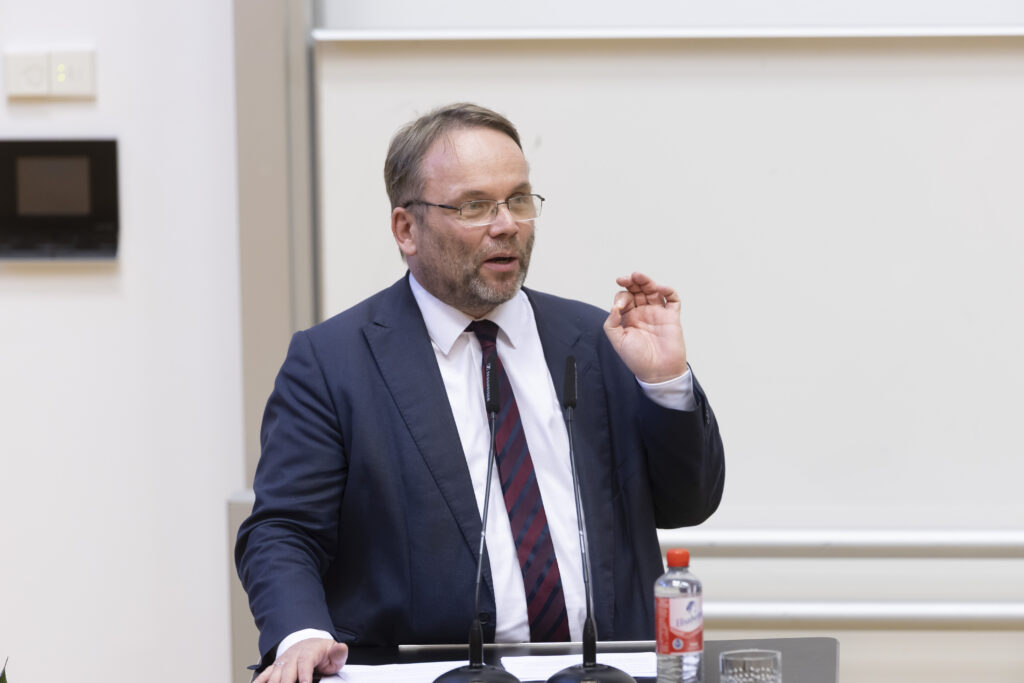
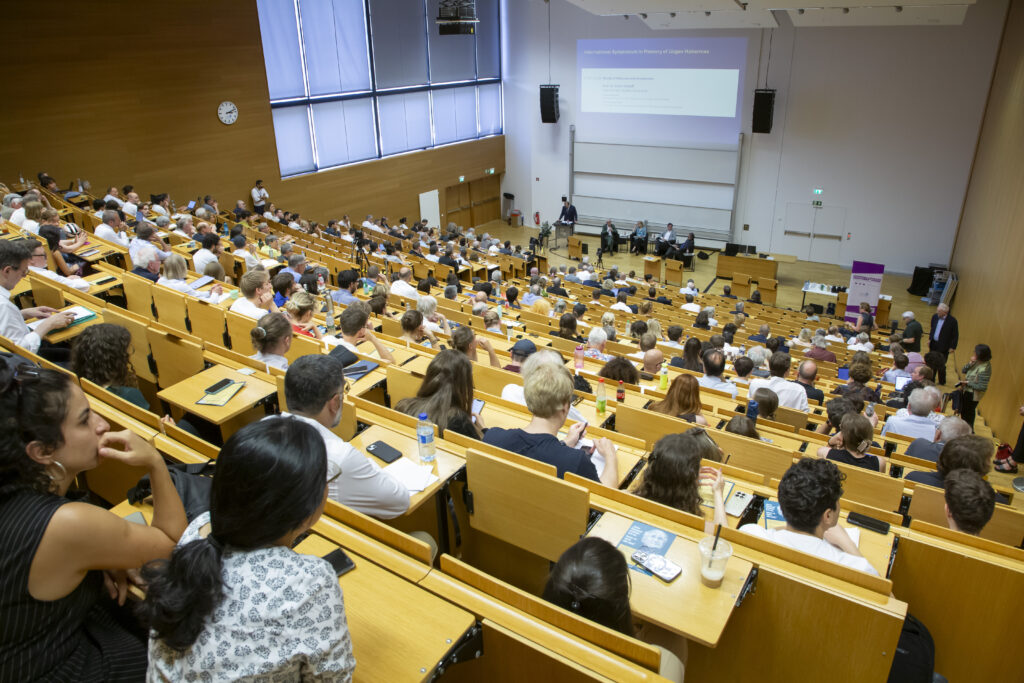
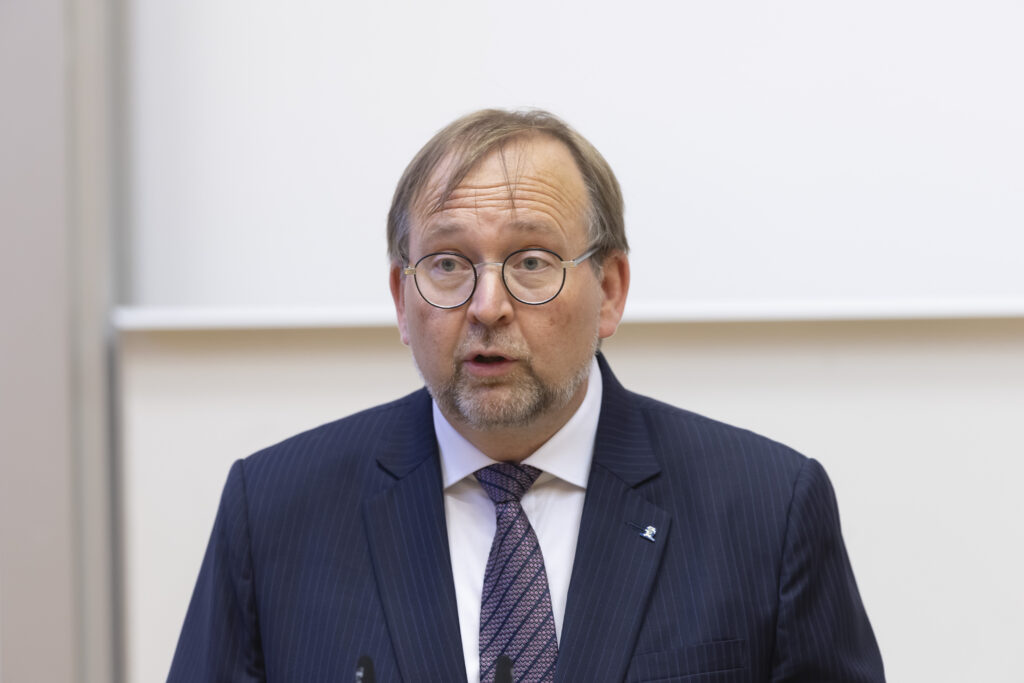
Under the title and Habermas quote “No one is truly free until everyone is free”, two panel discussions and a concluding keynote address explored Habermas’s thought and the future of Critical Theory. In his opening address, the President of Goethe University, Prof. Dr Enrico Schleiff, emphasized that Habermas had had a decisive influence on the development of the university and had dedicated his life to critical scholarship that fulfills its social responsibility towards a democratic society. Timon Gremmels, Hesse’s Minister for Science and Research, Art and Culture, also emphasised Habermas’s significant influence on political and academic debates over recent decades and called for the defence of open discourse, academic debate and academic freedom at universities, in the spirit of Habermas.
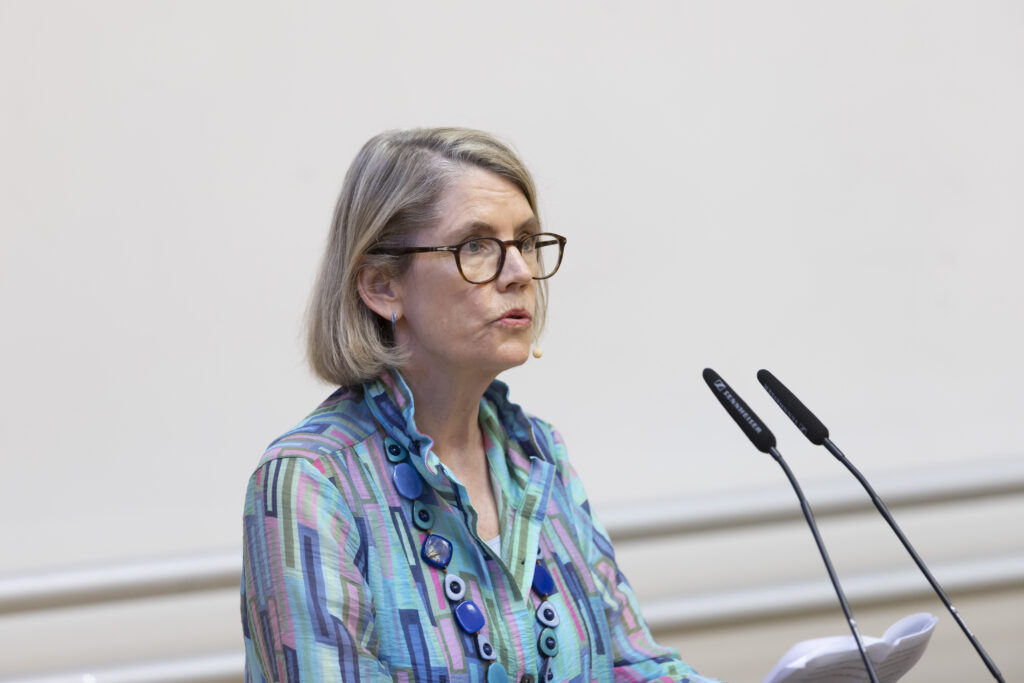
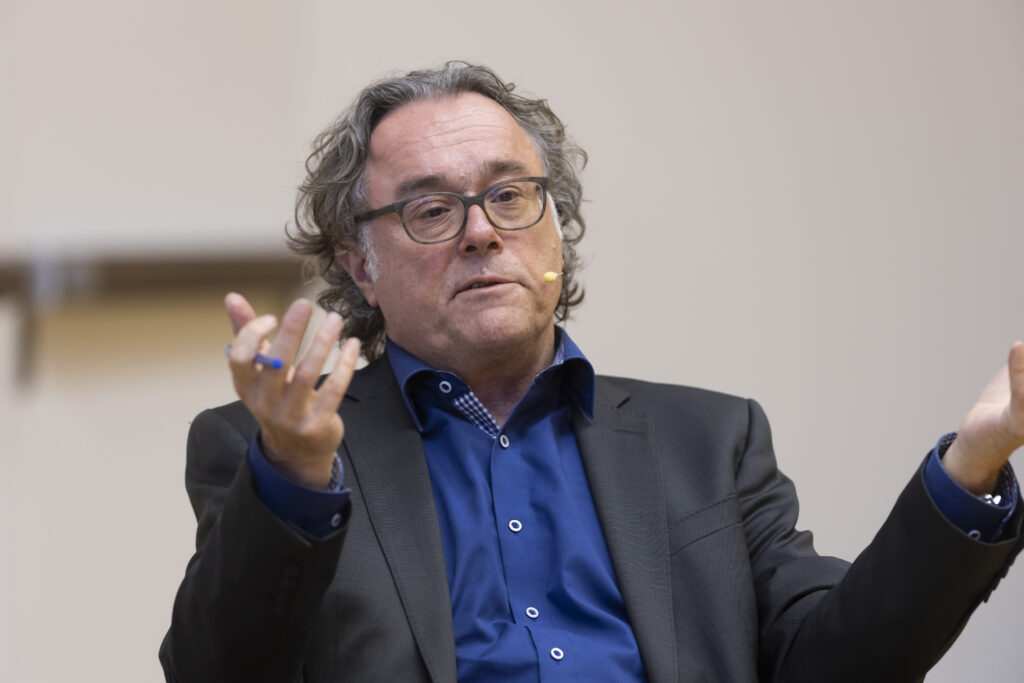
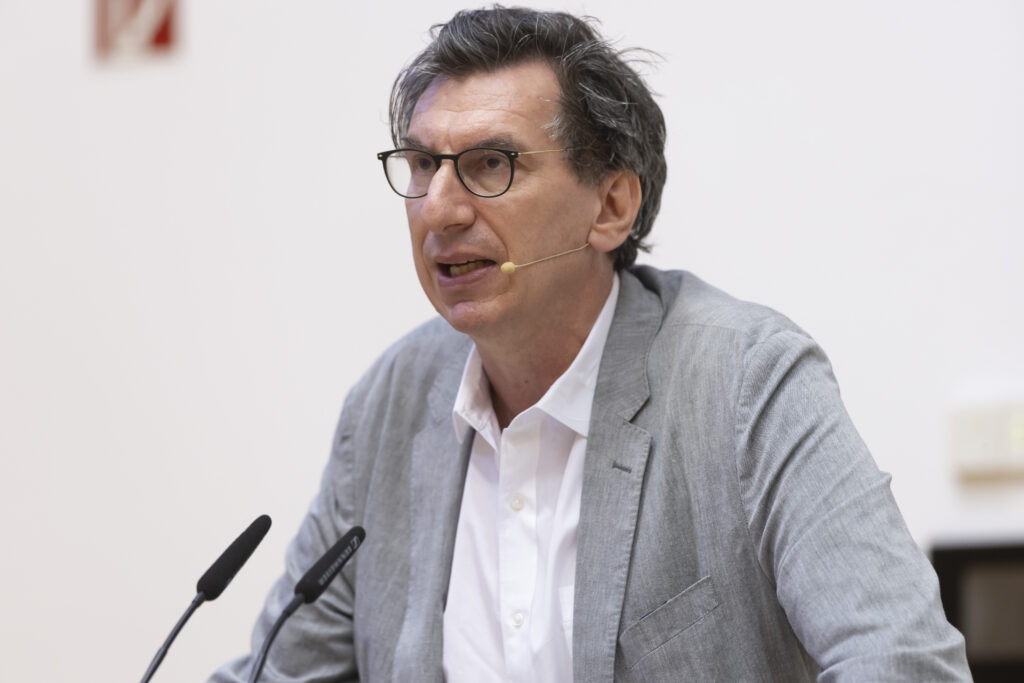
Prof. Dr Rainer Forst, Director of the Research Centre Normative Orders and co-organiser of the symposium, then recalled Habermas’s lecture ‘Noch einmal: Zum Verhältnis von Moralität und Sittlichkeit’, which he had delivered exactly seven years earlier at Goethe University to mark his 90th birthday, and his work as a dialectical thinker, an original philosopher and social scientist, a public intellectual, and a caring teacher and mentor. The symposium’s first panel then took a critical look at society with contributions from Prof. Dr Simone Chambers (UC Irvine), Prof. Dr Peter Gordon (Harvard University) and Prof. Dr Michael Zürn (Berlin Social Science Centre), under the title ‘Democracy in Times of Authoritarianism’, took a socially critical look at the current challenges facing democracies in the face of the global rise of authoritarianism.
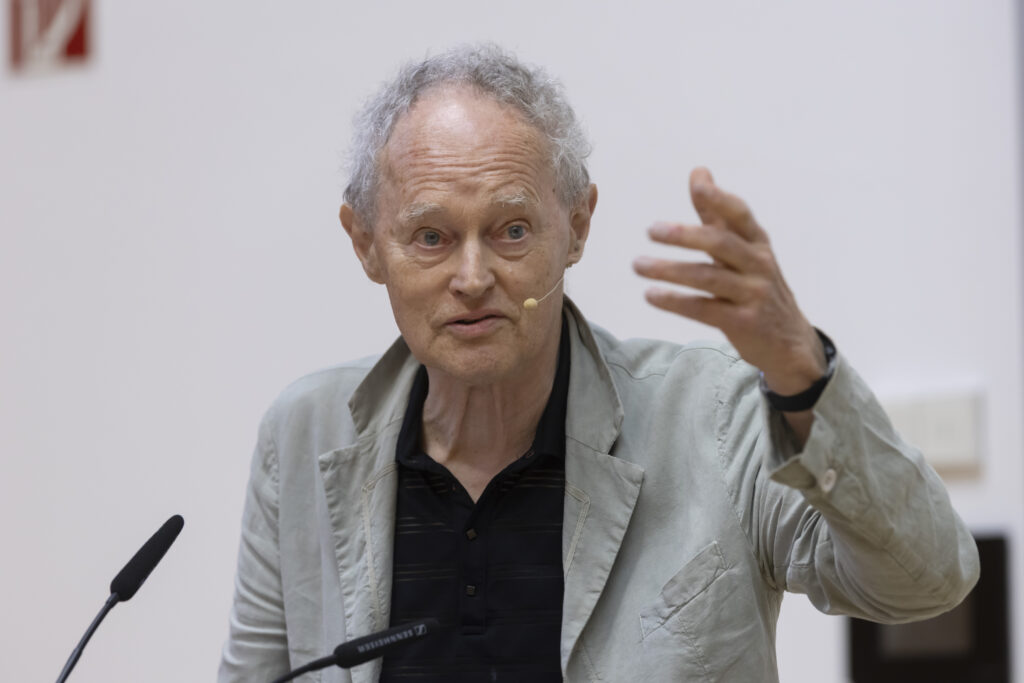
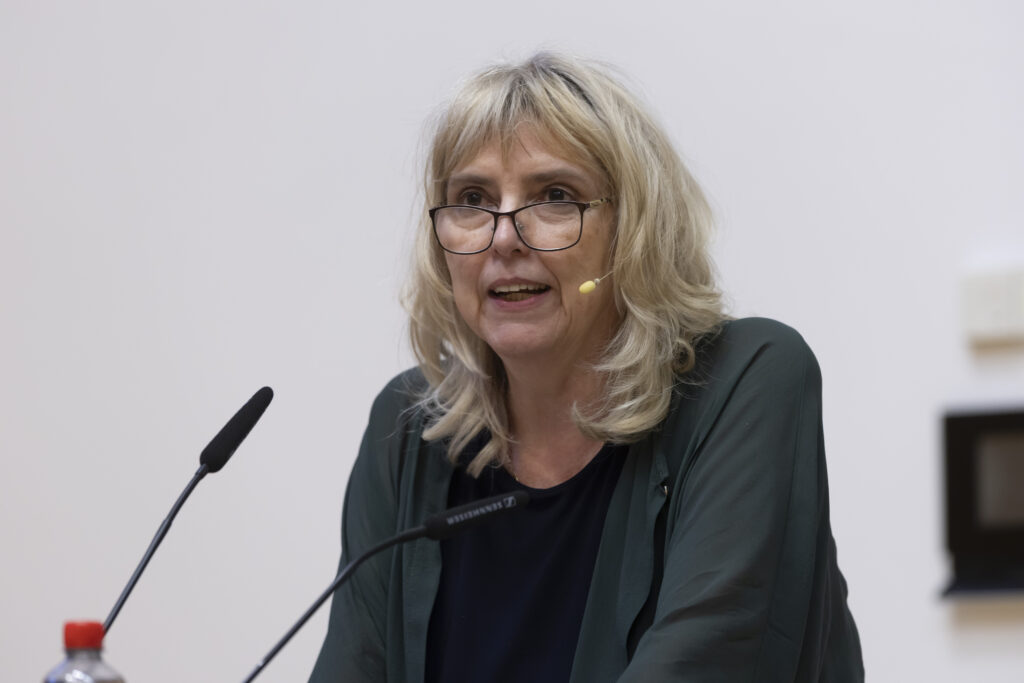
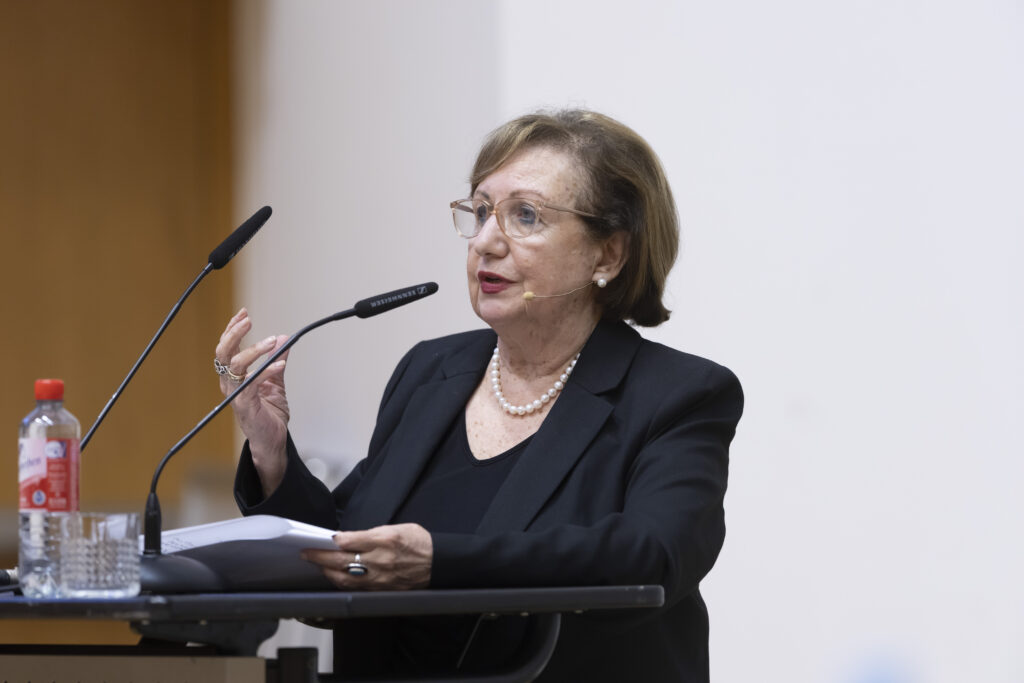
The second panel, ‘The Communicative Turn in Philosophy and Sociology’, then focused on the significance and implications of this paradigm shift, with contributions from Prof. Dr Seyla Benhabib (Yale University/Columbia University), Prof. Dr Hauke Brunkhorst (Europa-Universität Flensburg) and Prof. Dr Vera King (Goethe University/Sigmund Freud Institute), to the significance and implications of the paradigm shift brought about by the communicative turn, through which Habermas steered philosophy and sociology in new directions. The event concluded with a keynote address entitled ‘The Normative Obstinacy of the Other: Habermas in Dialogue with Adorno’ by the social philosopher Prof. Dr Axel Honneth (Goethe University/Columbia University), in which he explored what unites the thinking of Jürgen Habermas and Theodor W. Adorno and at what points they have taken different intellectual paths.
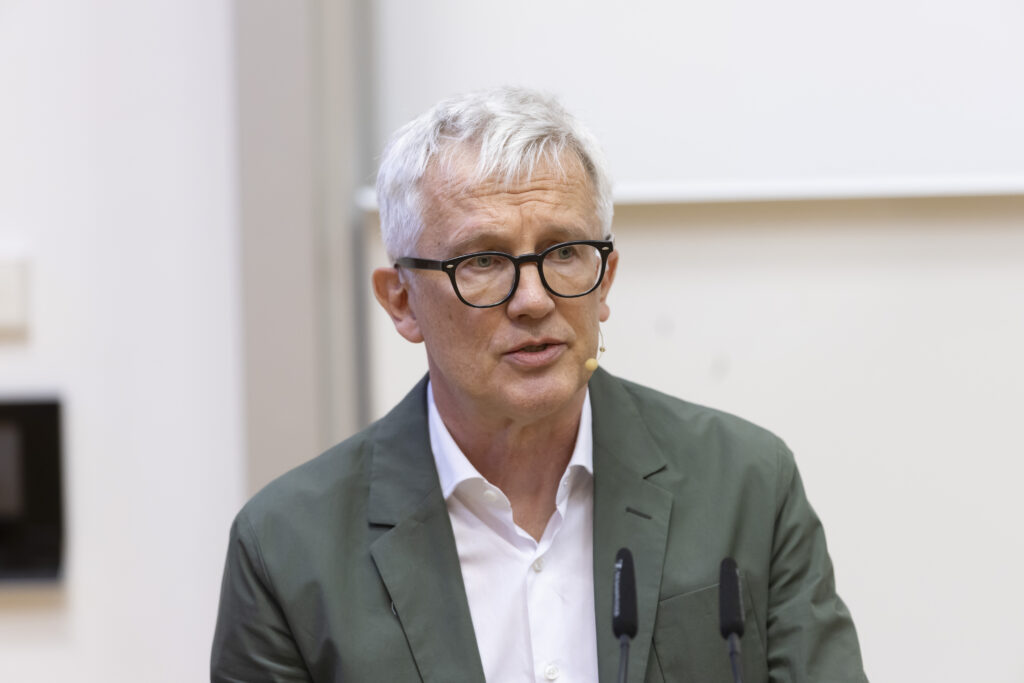
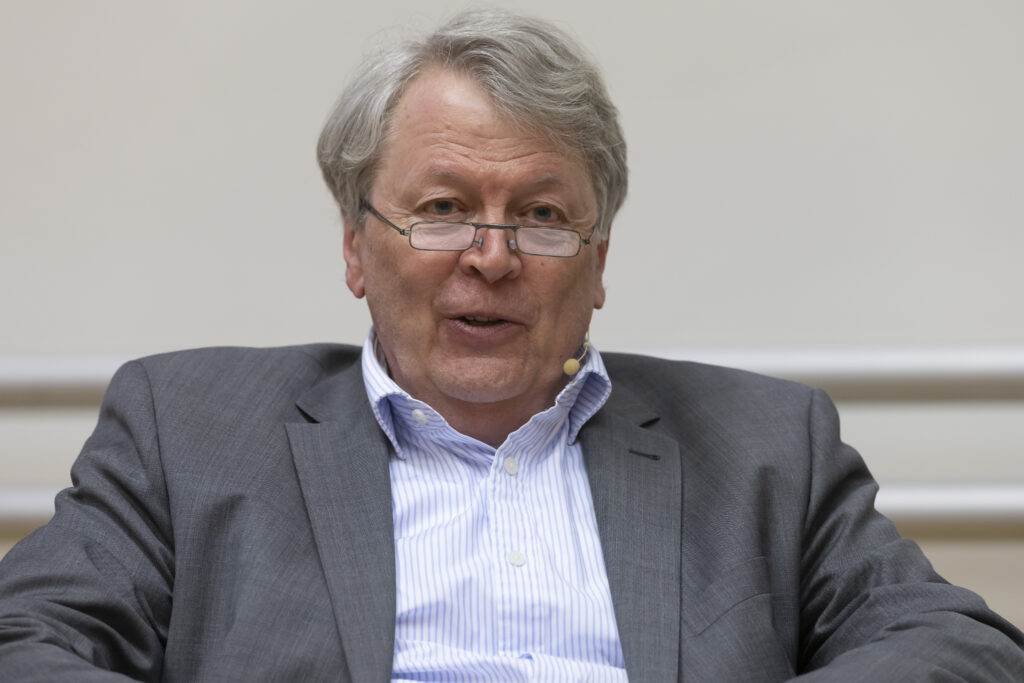
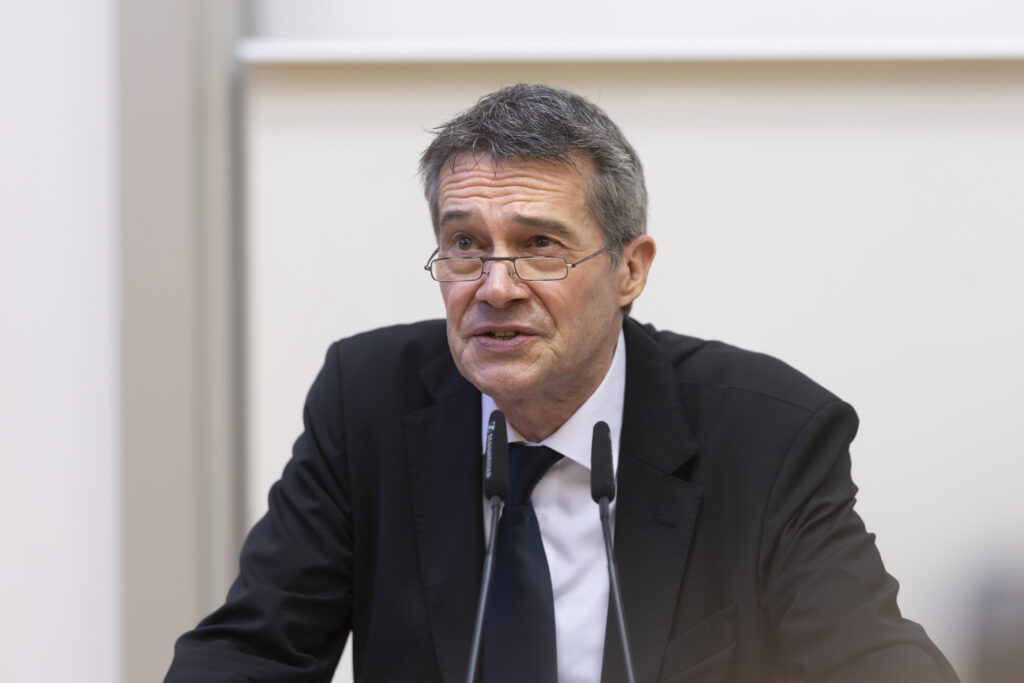
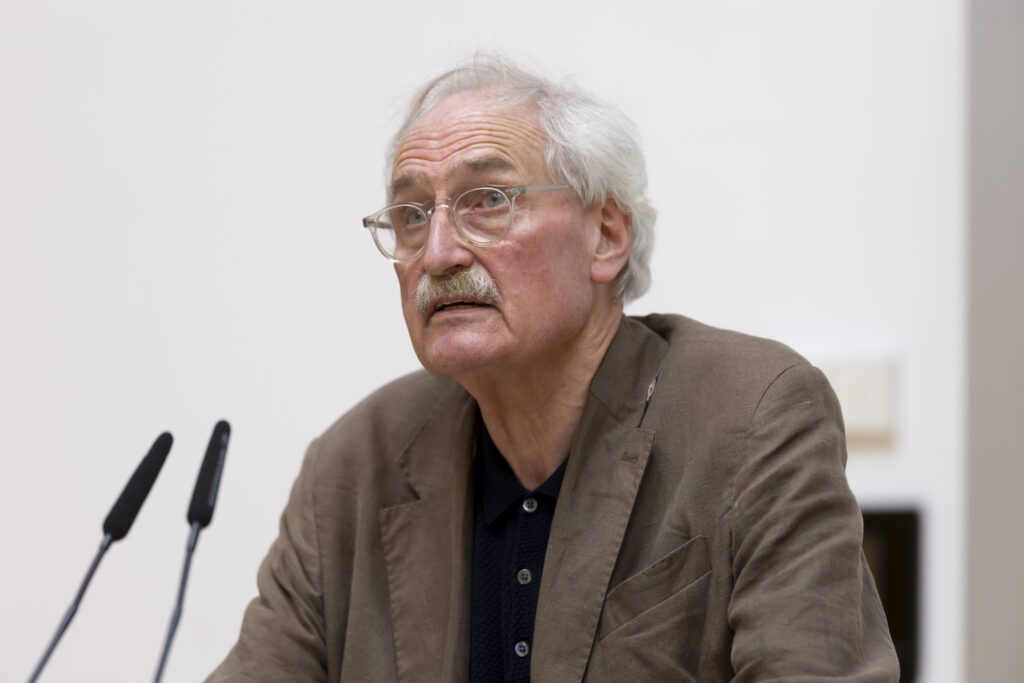
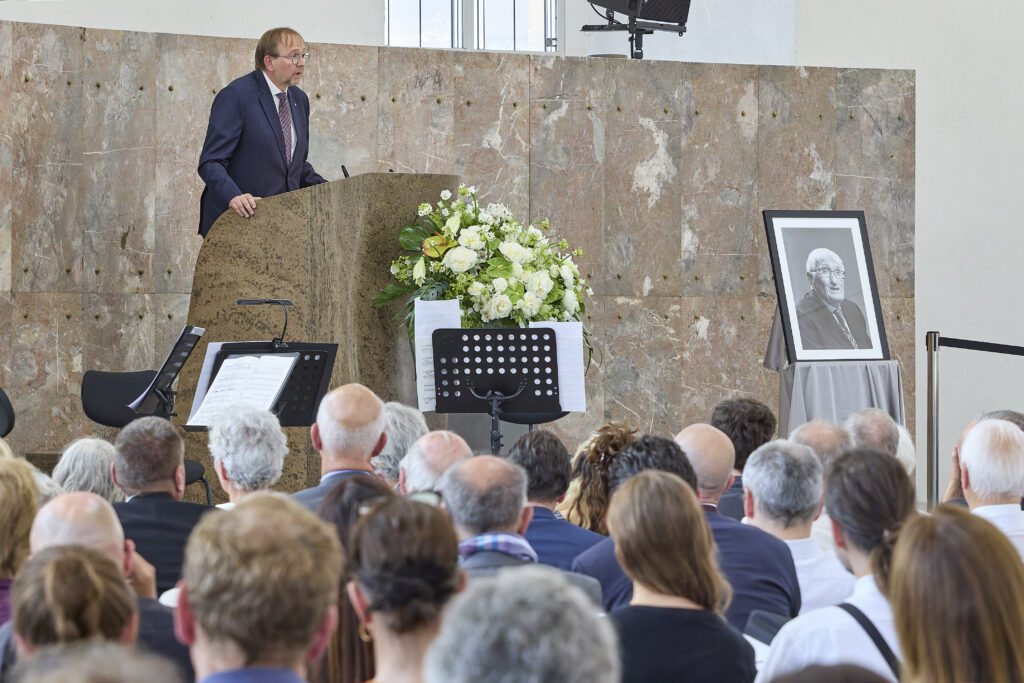
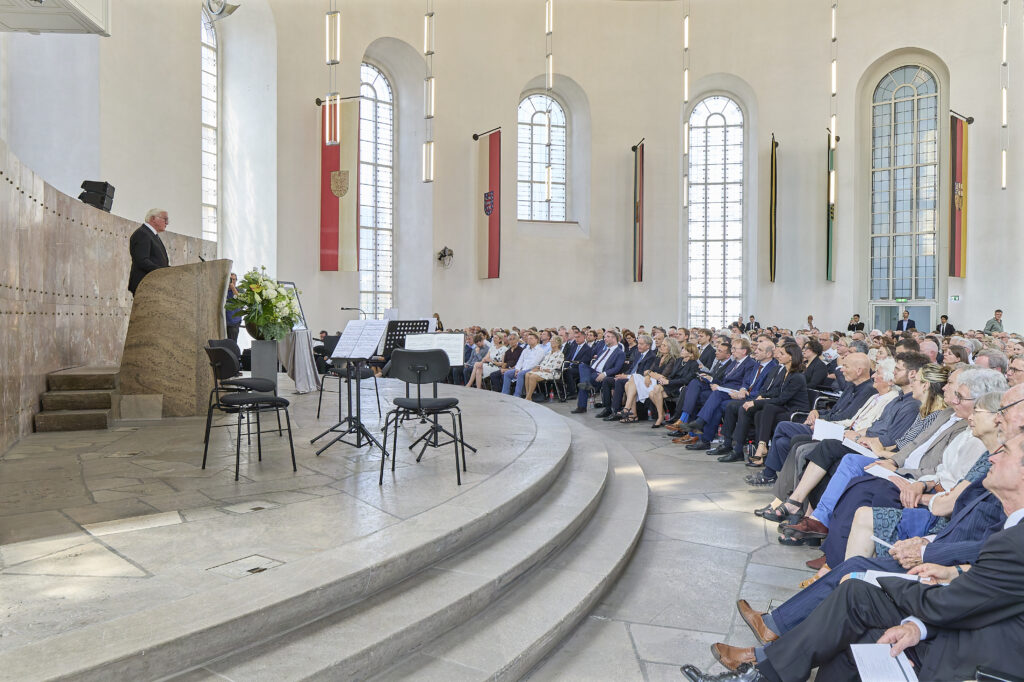
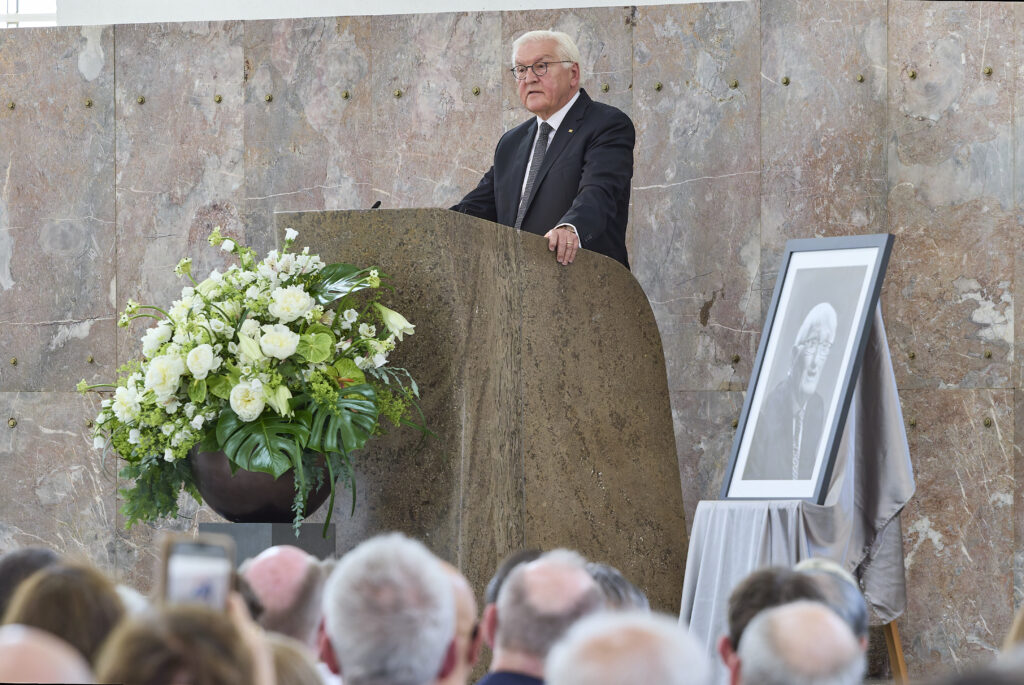
The symposium was organised and chaired by Prof. Dr Rainer Forst and Prof. Dr Klaus Günther (Goethe University) and Prof. Dr Peter Niesen (University of Hamburg). It complemented the memorial service for Jürgen Habermas held at St Paul’s Church (Frankfurter Paulskirche) on the same day, to which the City of Frankfurt had extended an invitation in cooperation with Goethe University and Suhrkamp Verlag. There, Federal President Frank-Walter Steinmeier delivered the commemorative address; historian Prof. Dr Norbert Frei spoke about Jürgen Habermas’s work as an intellectual in the Federal Republic of Germany; and philosopher Prof. Dr Cristina Lafont gave a lecture on his philosophical legacy. There were also welcoming remarks from Mike Josef, Lord Mayor of Frankfurt, Prof. Dr Enrico Schleiff and Jonathan Landgrebe, Chairman of the Board of Suhrkamp Verlag.