

Conference Democratic Cohesion: Perspectives for the Future of Democracy
The political landscape in many countries, including Germany, is currently characterized by tensions that are putting a strain on democracy and social cohesion. Terms such as “crisis” and “fragmentation” dominate political rhetoric. In this context, the question arises as to what “democratic cohesion” actually means and whether it can actually act as a means of combating social division. The answers to this question are diverse and also depend on the political currents that shape the public debate.
The conference “Democratic Cohesion”, which took place in Frankfurt on February 11 and 12, 2025, was dedicated to these questions. It was organized by the PRIF – Leibniz Institute for Peace and Conflict Research with the Research Centre Normative Orders and the Frankfurt location of the Research Institute for Social Cohesion and the Hessian University of Applied Sciences for Public Management and Security. The event also marked the start of the “Strengthening Democracy Research in Hesse” program of the Hessian Ministry of Science and Research, Art and Culture.
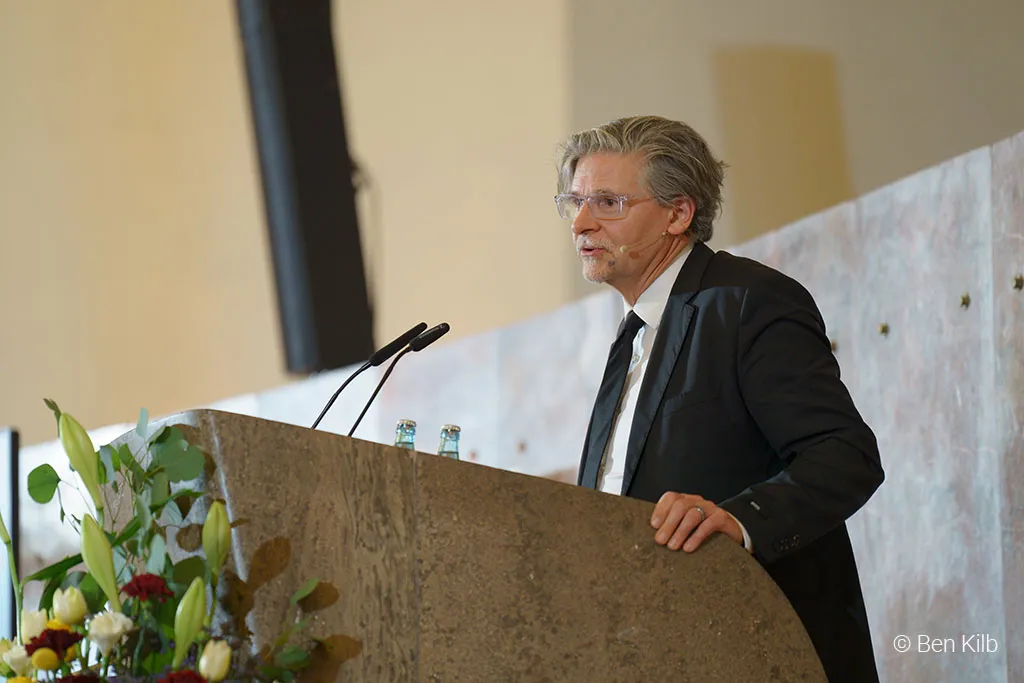
At the ceremonial opening of the conference in Frankfurt’s Paulskirche – a highly symbolic location for the history of democracy in Germany – political scientist Prof. Dr. Jan-Werner Müller (Princeton University) spoke about the normalization of right-wing populism in Europe and explained how far-right movements influence the political landscape by tolerating and cooperating with corresponding parties. Müller emphasized that democracy must be strengthened not only through the defense of norms, but also through active visions of freedom and equality.
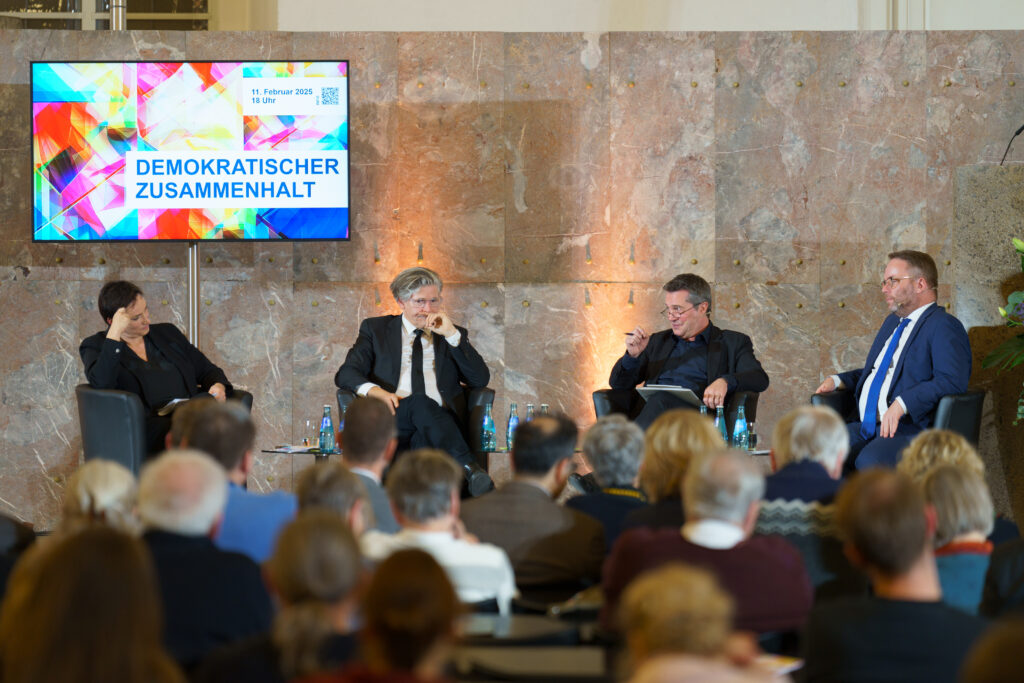
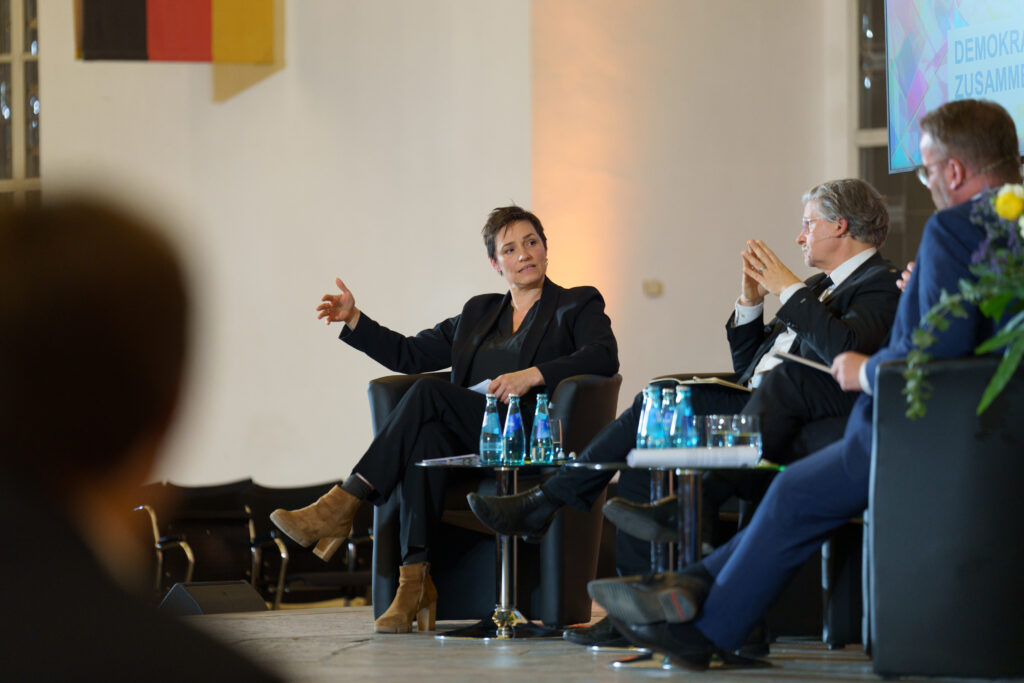
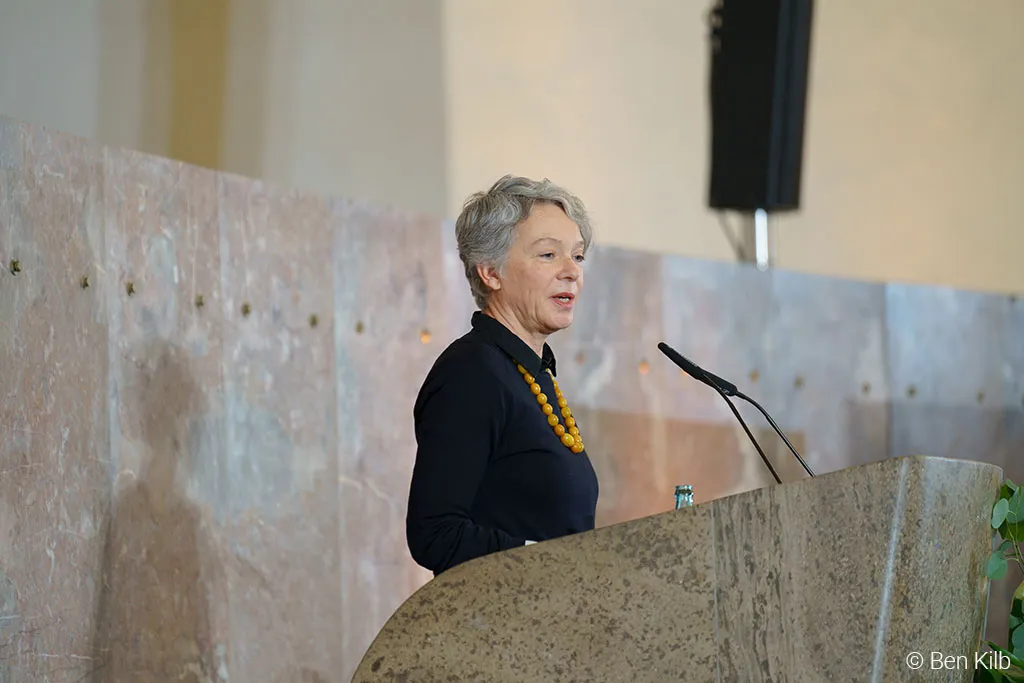
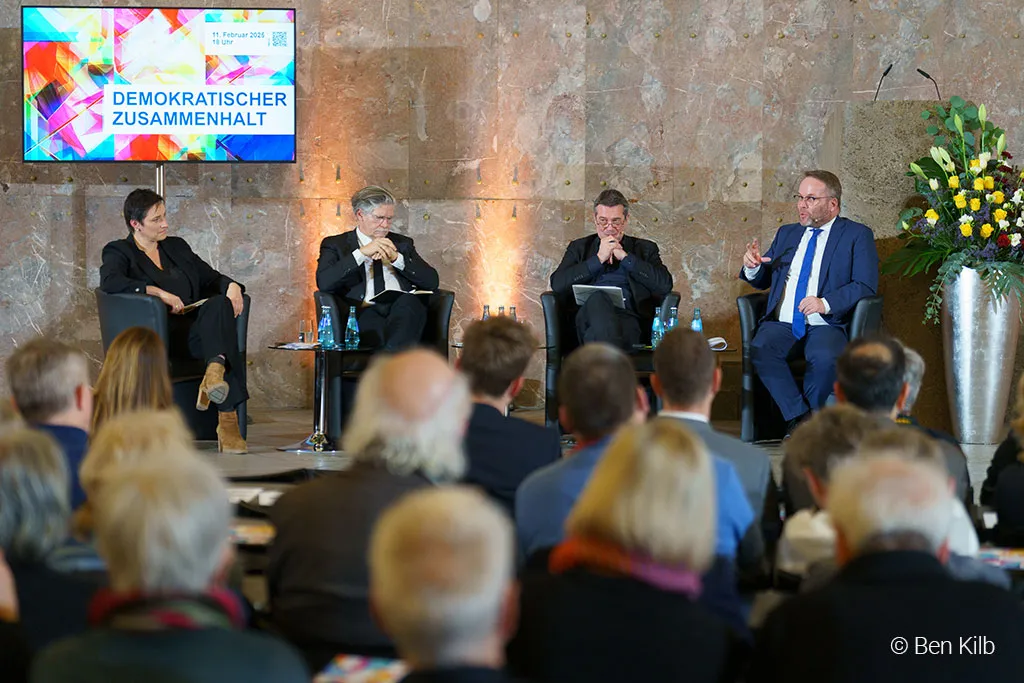
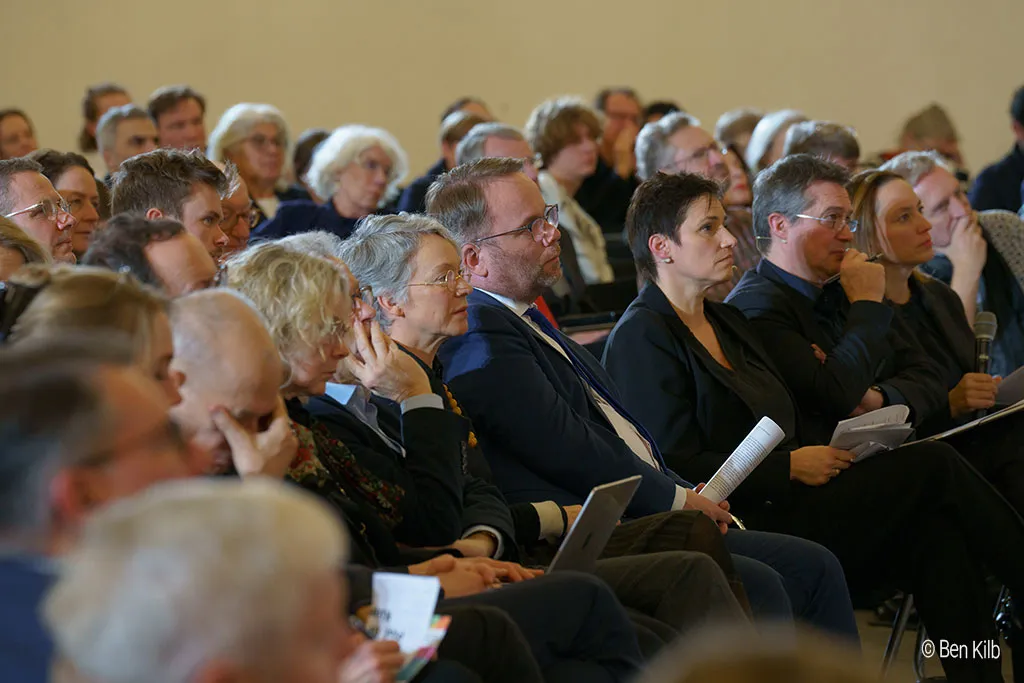
In the subsequent panel discussion with Prof. Dr. Nicole Deitelhoff, Prof. Dr. Rainer Forst, Minister of State Gremmels and Müller, the cooperation between science and politics as well as the importance of compromise and a culture of debate in democracy were discussed. The participants discussed how the democratic process could be made more tangible on the ground and how democracy research could be integrated at all levels. The need to take action against extreme positions was also emphasized, for example by protecting the rights of minorities more strongly and ensuring that different ideas of cohesion do not stand in opposition to democratic principles. Different ideas of cohesion – Forst also spoke of “ideologically fabricated cohesion”, for example – would in turn lead to alienation and frustration. It was therefore emphasized that democracy can only be strengthened through continuous practice, political responsibility and dialogue. At the same time, the need to respond to populism and anti-democratic movements without ignoring structural deficits in society was underlined.
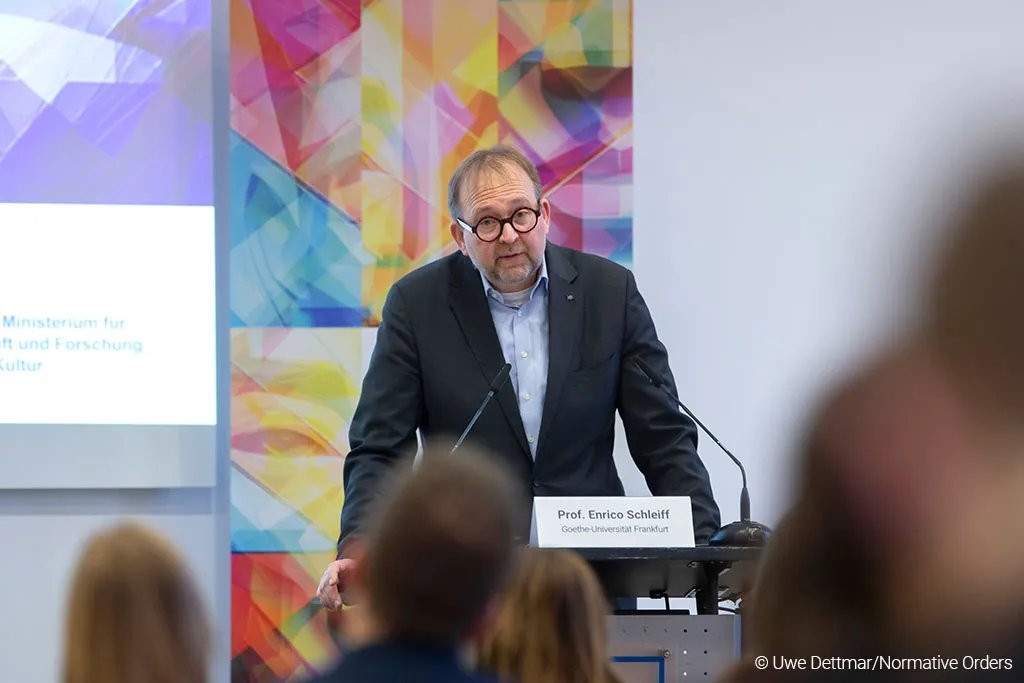
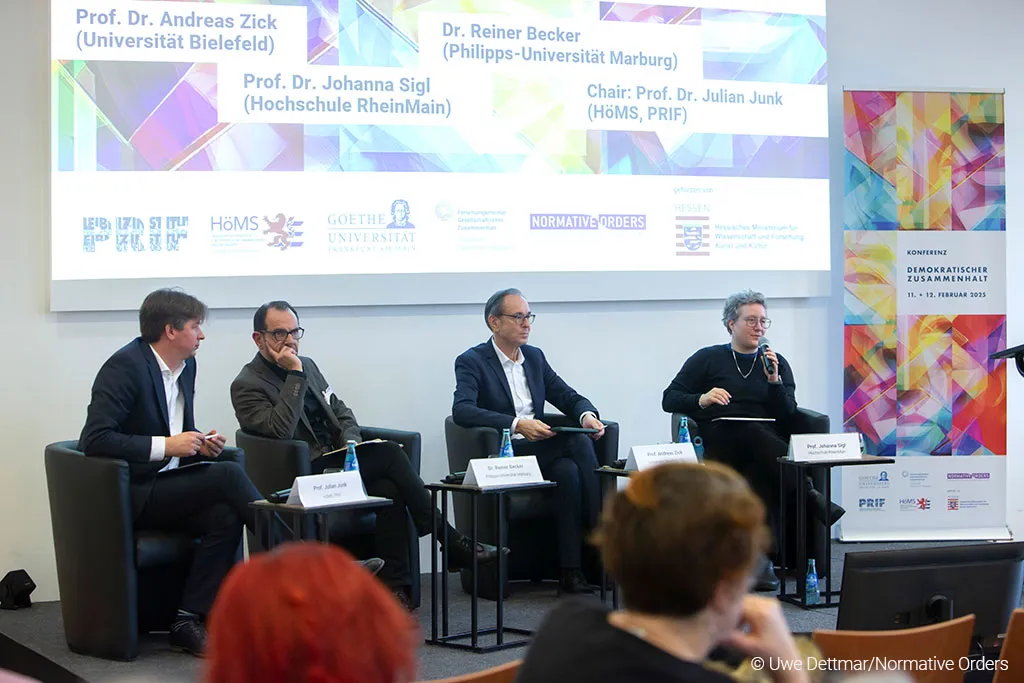
On the following day, the conference took place at Goethe University, which was opened by University President Prof. Dr. Enrico Schleiff. Three panels and a concluding panel discussion took a closer look at political polarization, radicalization and the resilience of democratic institutions. A “Market of Opportunities”, which brought together more than 20 initiatives and democracy projects, including universities, political foundations, educational and civil society initiatives, offered practical insights as well as the opportunity for exchange and networking. Interactive offers such as podcast stations, the Escape Bubbles of the Research Institute for Social Cohesion and a democracy quiz also enabled visitors to find out more about democratic work in Hesse.
Recording of the launch event in Frankfurt’s Paulskirche:
Recording of the conference at the Goethe University Frankfurt: