30.07.2025

What remains of “1968” – event review

The 1968 movement propagated a freer, fairer society – it wanted to overcome authoritarian structures, outdated norms and the repression of the Nazi past in Germany and develop new ways of living, loving and thinking. In newly formed communities such as “Commune I”, material possessions were questioned, emotional openness was practiced and living together was rethought. But what has remained of this striving for personal liberation and social change? What can we learn from the ’68 movement for our own time and where do we perhaps need new ideas and utopias?
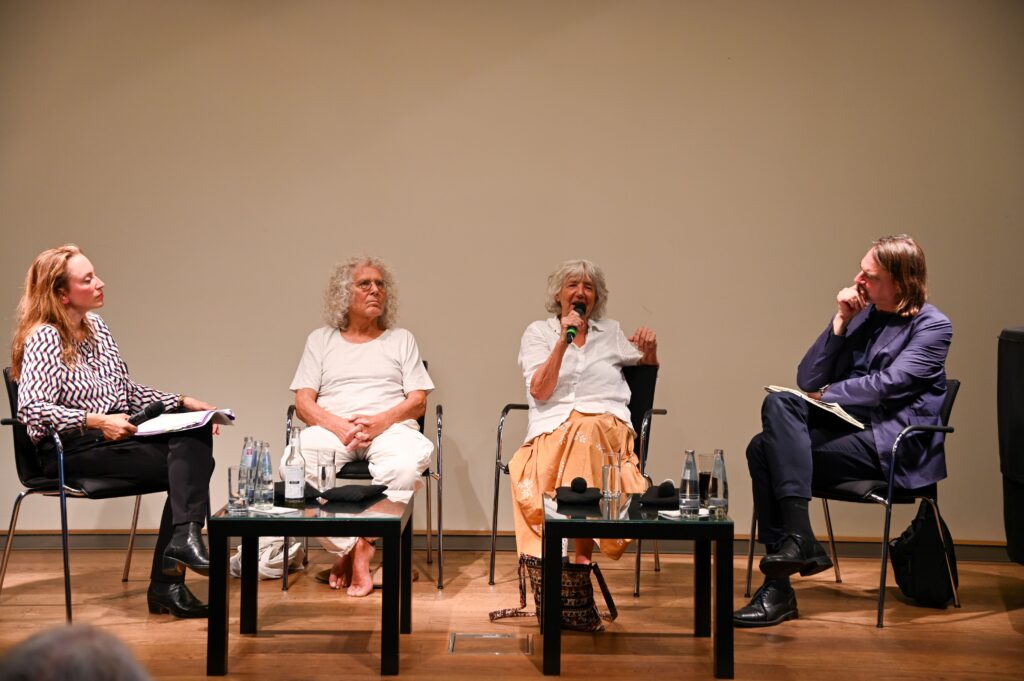
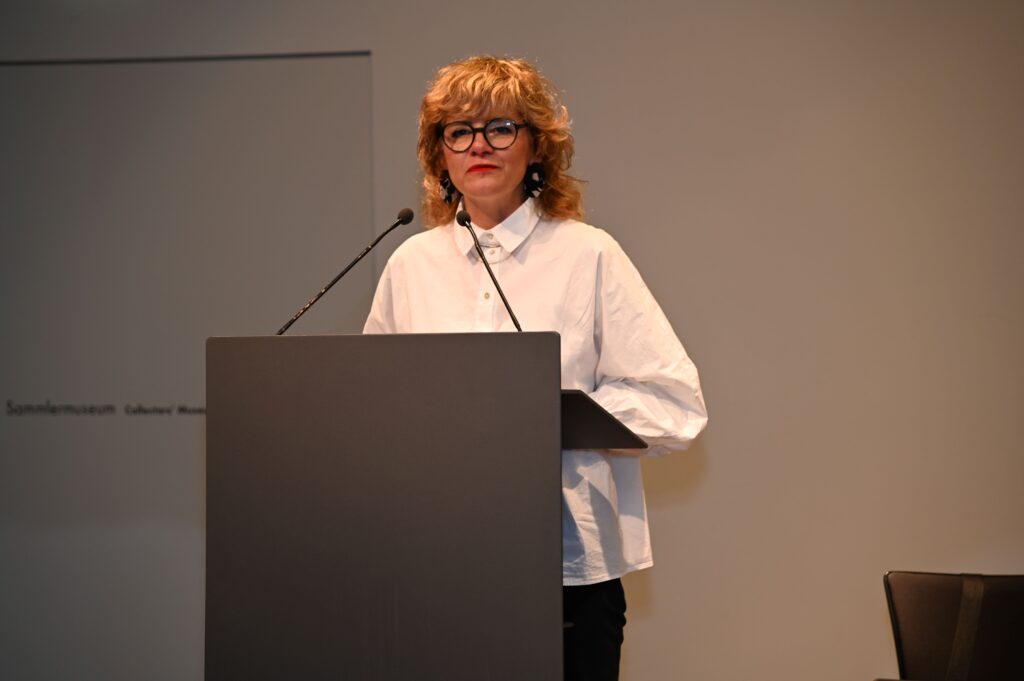
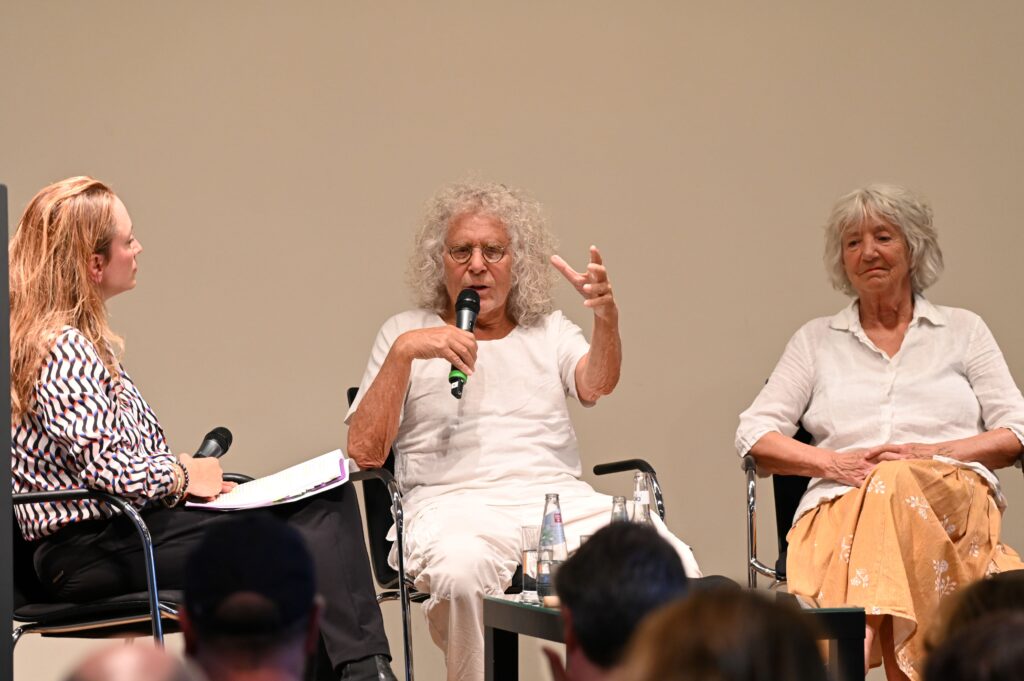
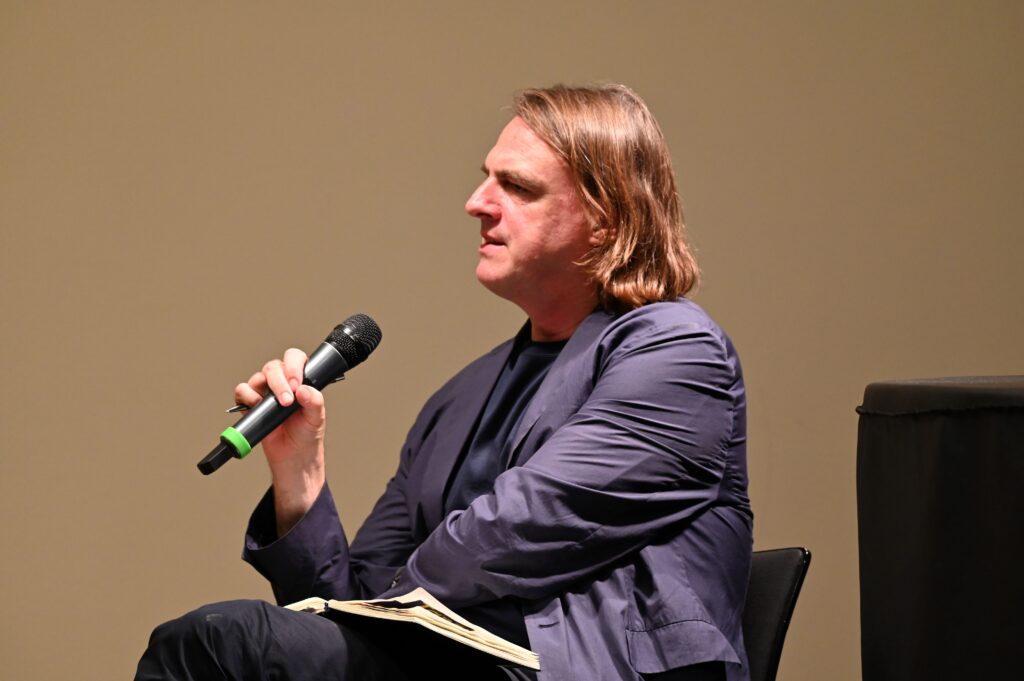
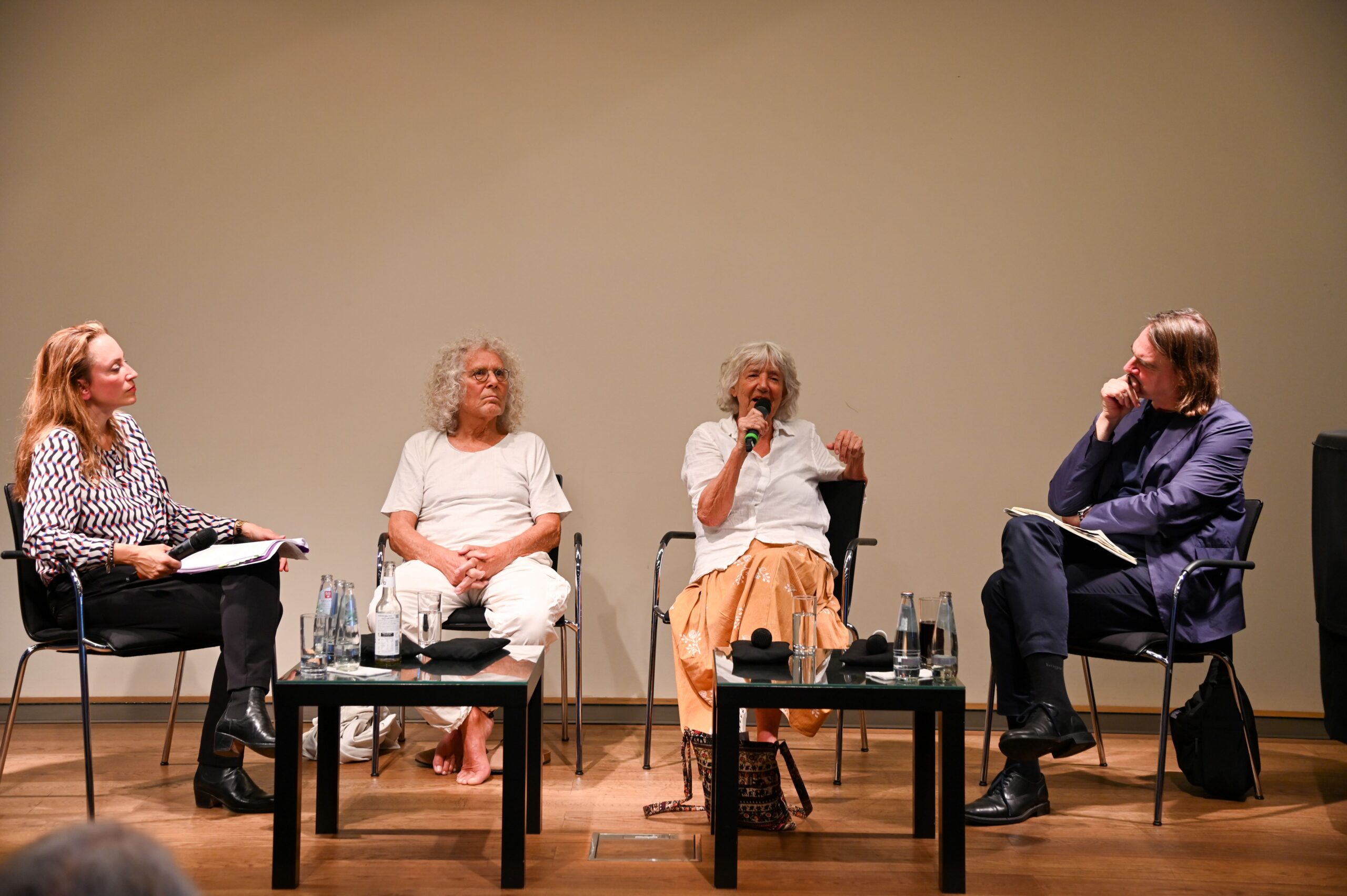
The event “Utopia and awakening of the 1968ers – What remains of political rebellion and individual self-liberation” on July 14, 2025 at the Historisches Museum was dedicated to these questions. Over 200 visitors in the packed Leopold-Sonnemann-Saal were keen to hear Rainer Langhans, Christa Ritter and Martin Saar, who were welcomed by Doreen Mölders (Director of the Historical Museum). For Rainer Langhans, a former member of “Commune I”, 1968 was above all an intangible, collective experience of all-encompassing love that could only be rationally explained in retrospect and that people wanted to achieve again through “sex, drugs and rock’n’roll” or political revolutionary efforts. The filmmaker Christa Ritter particularly emphasized the feeling of resistance against her parents’ generation and feminist literature, which had a strong influence on her at the time of the 1968 movement. Social philosopher Martin Saar, on the other hand, supplemented these perspectives on 1968 with the Frankfurt view of the events of the time, which focused on the politically influenced intentions and the scope for social change.
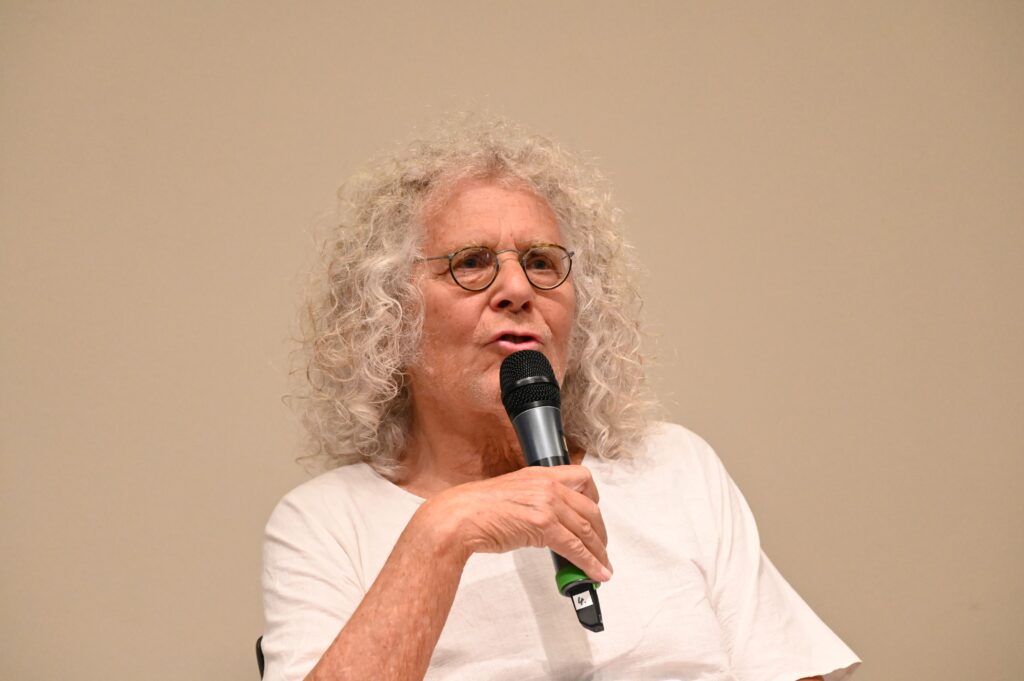
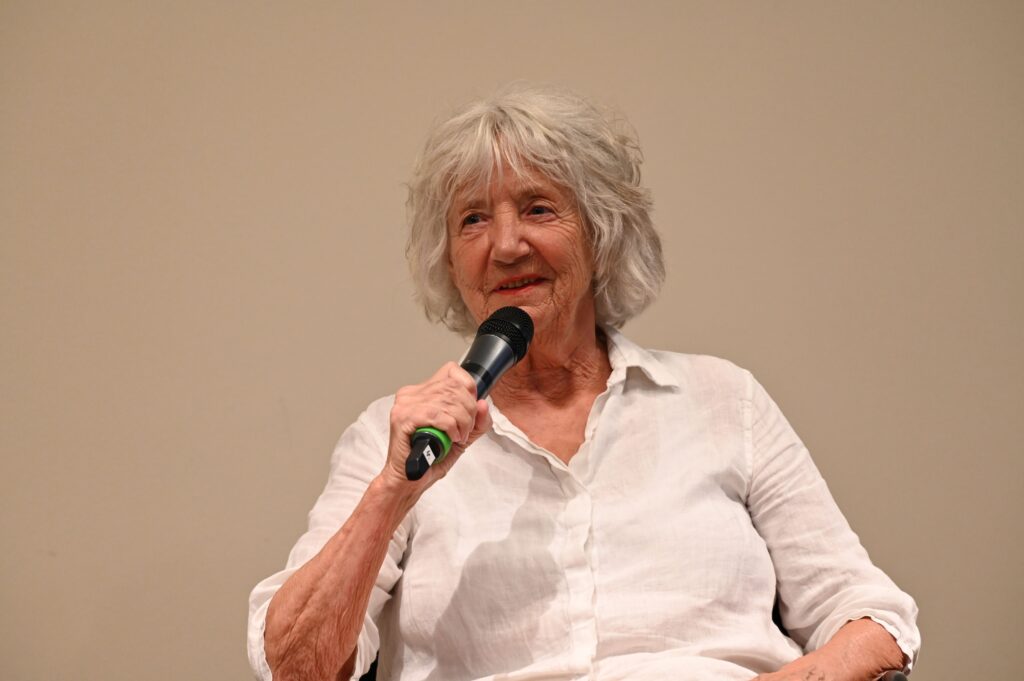
The discussion then moved on to the conflicts and contradictions within the 1968 movement, with Christa Ritter and Rainer Langhans also reporting on their attempt to continue the feeling of 1968 via the path of spirituality and their life together in the Munich “harem”. The question of what we can still take away from 1968 for the present was again answered differently by the panellists: while Rainer Langhans emphasized that we must continue on the path away from our material needs and therefore also learn to die, Martin Saar saw the continuation of non-conformism and resistance against the authoritarian, bourgeois-patriarchal society today above all in the young queer movement.
News from the research center

News
20.01.2026

Christine Hentschel on reorientation in catastrophic times

As part of the lecture series "At the crossroads? On the crisis of democracy", the sociologist spoke about living in and dealing with catastrophic times. Against the backdrop of the destruction of living conditions, wars, permanent crises and threats to democracy, Hentschel addressed the infiltration of the catastrophic into everyday social life and a changing activist and literary approach to the future.

more information ›
Event
27.01.2026 | Frankfurt am Main

All for One? The Politics and Fragility of Mutual Defense

Lecture Series

Vortrag von Stephanie Hofmann (European University Institute) im Rahmen der Ringvorlesung „Transformations of Political Violence: New Perspectives“ in Kooperation mit dem Forschungszentrum Normative Ordnungen

more information ›
Publication
08.01.2026 | Journal article

Gender Differences in Financial Advice

Bucher-Koenen, Tabea; Hackethal, Andreas; Koenen, Johannes; Laudenbach, Christine (2025): „Gender Differences in Financial Advice“. In: American Economic Review, 115 (12), pp. 4218–4252.

more information ›
Event
29.01.2026 | Frankfurt

Civil Geopolitics and the Dilemmas of the Democratic State

Lecture Series, Lecture

Vortrag von David Owen (Universtiy of Southampton) im Rahmen der Ringvorlesung "Am Scheidepunkt? Zur Krise der Demokratie" im Wintersemester 2025/2026

more information ›
Publication
19.12.2025 | Anthology

Faszination und Freiheit 

Günther, Klaus; Zabel, Benno (Hrsg.) (2025): Faszination und Freiheit - Gegenwartsdiagnosen im Anschluss an Christoph Menkes Theorie der Befreiung, Weilerswist (Velbrück Wissenschaft).

more information ›
Publication
12.12.2025 | Anthology

Zwischen Transformation und Abolitionismus. Das Strafrecht und die Vielfalt der Alternativen

Tobias Singelnstein, Christoph Burchard (2025)

more information ›
Publication
12.12.2025 | Chapter

Was bleibt von der Verantwortung jenseits der Strafe übrig?

Günther, Klaus (2025): „Was bleibt von der Verantwortung jenseits der Strafe übrig?“. In: Zabel Benno; Singelnstein; Tobias und Burchard, Christoph (Hrsg.): Zwischen Transformation und Abolitionismus. Das Strafrecht und die Vielfalt der Alternativen. Velbrück Wissenschaft, S. 207-241.

more information ›
News
11.12.2025

Jonathan White on future thinking in democracies

On the second date of the lecture series "At the crossroads? On the crisis of democracy". Political scientist White discusses views on the future of democracies. A follow-up report

more information ›
News
04.12.2025

The crisis of democratic theory from a sociological perspective

Sociologist Jenny Brichzin's lecture "Crisis of Democratic Theory? A sociological intervention" opened our lecture series "At the crossroads? On the future of democratic theory". The sociologist criticized the fact that social coexistence has so far been insufficiently addressed in democratic theory. A follow-up report

more information ›